
Moving people and goods quickly makes or breaks a logistics business. If you are importing fleet vehicles, you must understand your options deeply. This article explores the booming global market of three-wheeled vehicles. It is worth reading because knowing the difference between a traditional engine-based cab and a modern electric trike saves you massive shipping costs and import duties. You will discover how smart packaging, like CKD (Complete Knock Down) kits, boosts your profit margins. You will also learn why replacing old gas engines with strong electric motors is the smartest investment you can make this year.
What is the Real Difference Between a Tricycle and a Tuk Tuk?
When you look at two vehicles with three wheels, they might seem similar. But a tricycle and a tuk tuk are actually quite different. A traditional tricycle often features a motorcycle with a sidecar attached to the right side. Sometimes, the cargo box sits at the rear. A classic tuk tuk, however, has a single, unified frame. It usually will enclose the driver and the passengers in a single cabin.
These iconic vehicles serve different purposes. A tricycle is highly customizable. You can unbolt a sidecar and attach a flatbed. A tuk tuk is generally built as one solid piece. The modern electric versions of these machines use a simple automatic drive system. This means the driver does not have to shift hard gears. It makes driving much easier and safer.
Whether you need a heavy-duty workhorse or a stylish passenger cab, understanding the frame type is your first step. Both options drastically reduce shipping costs when you import them in pieces. You assemble them locally, which keeps your overall costs incredibly low.
Why Do Tuk Tuks and Tricycles Dominate the Ride in Asia?
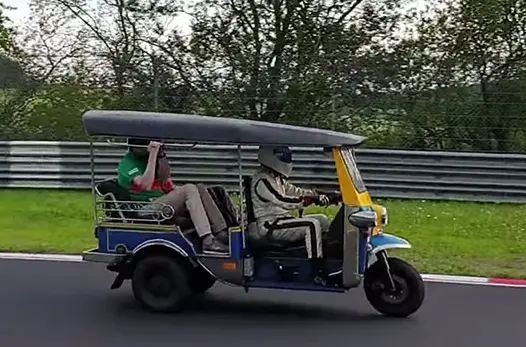
Look at cities across the eastern hemisphere. You will instantly see why tuk tuks and tricycles rule the roads. The transportation network in Asia relies heavily on these machines. They are cheap to buy, easy to fix, and perfect for short trips. A single ride across town costs pennies compared to a standard car taxi.
In Thailand, the colorful Thai tuk tuk is famous worldwide. Bangkok’s busy streets are completely packed with them. Meanwhile, in India, the traditional auto rickshaw serves millions of people every single day. The Philippines also heavily relies on its unique version. The Philippine transport system practically runs on these small machines.
They dominate because they solve real problems. A full-sized delivery truck gets stuck in traffic. A small trike slips right through. For a smart business owner, importing these units to growing markets means instant demand. You provide the exact vehicle that local drivers desperately need.
How Does Maneuverability Make the Three-Wheeler Perfect?
The greatest advantage of a three-wheeler is pure maneuverability. When you operate in urban environments, space is tight. You need a compact machine. A small tricycle can turn around in a tiny circle. A large delivery van simply cannot do that.
Imagine driving down a narrow street or a dark alley. A standard truck gets stuck. But you can easily zip through congested areas with a three-wheeler. This agility makes them the absolute best choice for last-mile delivery. Your drivers spend less time stuck in traffic and more time dropping off packages.
Because they navigate crowded urban spaces so well, major delivery companies are buying them in bulk. They are far more efficient than a heavy truck. If you want to dominate the local delivery market, you must equip your team with these highly agile machines.
Choosing the Right Setup: Auto Rickshaw or E-Trike?
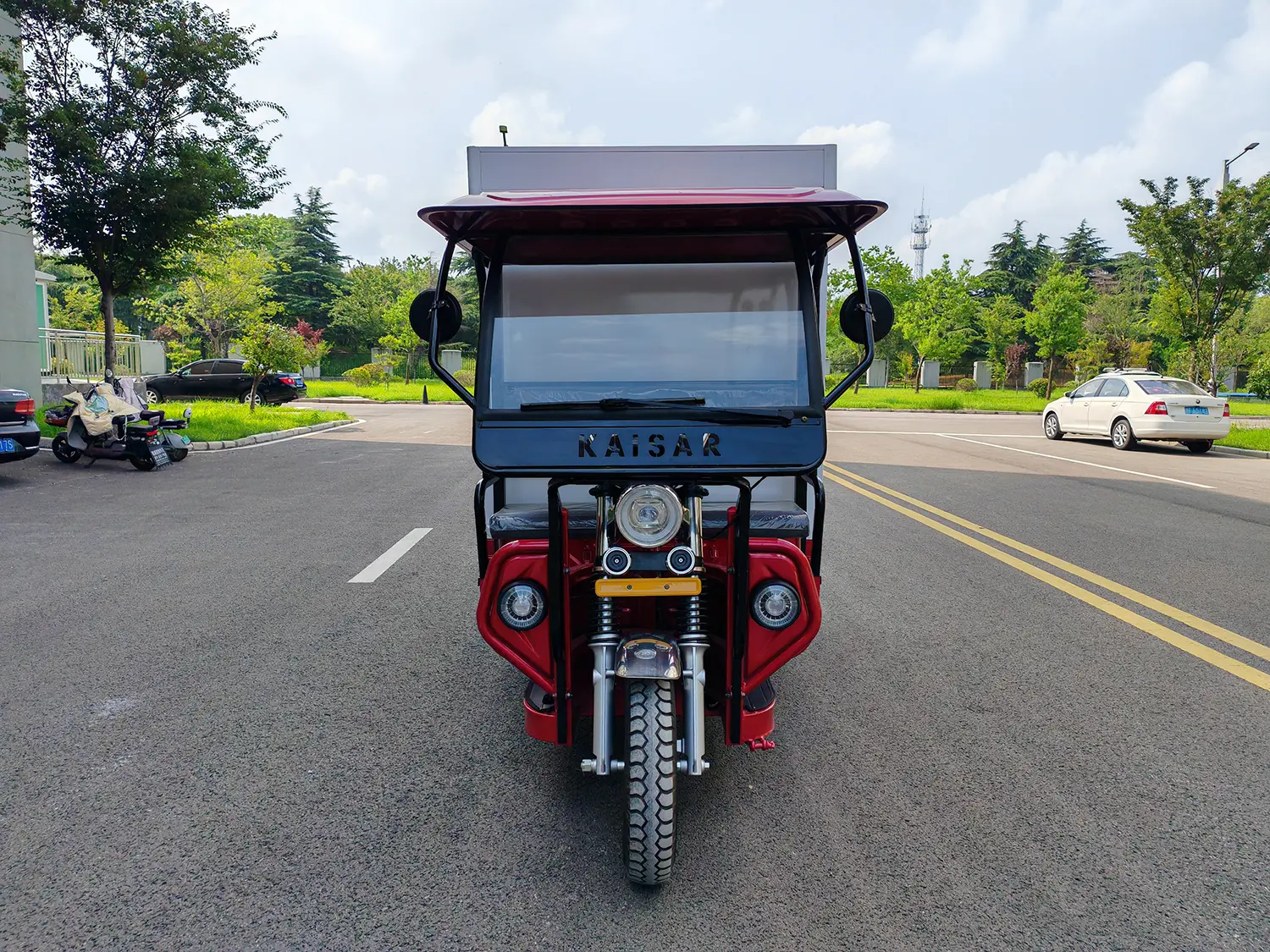
Choosing the right machine completely depends on your needs. Are you moving people or heavy boxes? An auto rickshaw is generally designed for people. It features a comfortable seat and a covered roof. It safely transports a passenger from a hotel to a market.
An E-trike is incredibly versatile. If you need to move passengers and goods, you can find a model that does both perfectly. For example, theEV5 Electric passenger tricycle offers a smooth, quiet ride for people. But if you flip the seats down, you suddenly have great space for luggage.
You must ask yourself what your local market wants. Do they want an auto for a taxi fleet? Or do they need a cargo unit for a farm? We build different frames to meet different demands. By picking the exact right model, you guarantee high sales and happy local customers.
Are Electric Tricycles Better Than the Traditional Thai Tuk-tuk?
The old Thai tuk-tuk is certainly iconic, but it has major flaws. The traditional gas engine is incredibly noisy. It also produces terrible exhaust smoke. Today, a modern electric motor is completely silent. It offers a perfectly clean, eco-friendly ride.
Many cities are now banning dirty gas engines. They want sustainable, eco-conscious solutions. A battery-powered tuk-tuk produces zero tailpipe emission. Some advanced models even feature a small solar panel on the roof to slowly charge the battery during the day. This technology is changing everything.
Switching to electric power also saves massive amounts of money. Electricity is much cheaper than gasoline. An electric motorized tricycles fleet costs very little to operate. Your drivers keep more of their daily earnings. This makes your fleet highly attractive to local workers.
What Makes the Philippine Motorized Tricycle So Unique?
The Philippine tricycle is a masterclass in local engineering. Unlike a standard rickshaw, it uses a sidecar welded to a motorcycle frame. This creates incredible capability. They are used as cheap public transportation in almost every neighborhood.
Their usage is legendary. They handle rough roads, flooded streets, and intense heat. They provide vital personal transport for families who cannot afford a car. Because they are relatively lightweight, they do not sink into soft mud easily.
If you want to see a prime example of a vehicle inspired by this tough design, look at the Electric passenger tricycle (African Eagle K05). It takes the durable spirit of the island trike and upgrades it with a powerful electric system. It is built tough to survive harsh daily routes.
How Do Three-Wheelers Handle Cargo and Heavy Loads Globally?
Do not let the small size fool you. A commercial three-wheeled vehicle is built like a tiny tractor. When you need to haul serious cargo, these machines perform beautifully. They handle heavier loads much better than a standard two-wheel bike.
They feature a massive rear compartment or a flat steel bed. This gives you plenty of space for construction materials, farm crops, or hundreds of delivery parcels. Even when fully loaded, a strong electric motor pushes them up a steeper hill with ease.
Transportation around the world is shifting toward these efficient haulers. From moving water jugs in Africa to delivering internet purchases in South America, they do it all. TheVan-type logistics electric tricycle HPX10 is a perfect example of a fully enclosed cargo unit that protects valuable goods from rain and theft.
Why Are Eco-Friendly Tuk Tuks Replacing Old Fleets in Egypt and Pakistan?
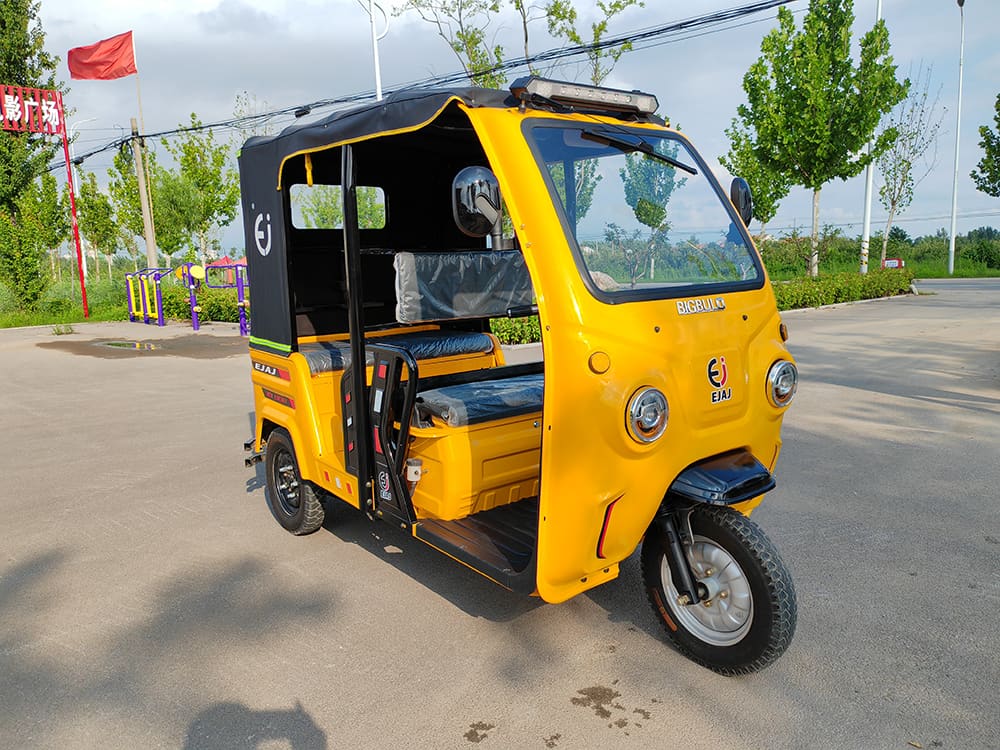
Countries like Egypt, Pakistan, and Sri Lanka face massive pollution problems. Their cities are choked with smog. To fix this, governments are pushing for clean energy. Tuk tuks offer a brilliant solution. Globally, leaders realize that electric tuk-tuks clean the air quickly.
Even a classic brand like Piaggio is facing fierce competition from electric alternatives. The affordability of an electric trike makes it a clear winner. They are simply highly cost-effective. You do not need to buy expensive imported oil to run them.
Because they are so cheap to charge, fleet owners in Cairo and Karachi are switching fast. They import the parts, assemble them locally, and instantly increase their profit margins. Clean air and higher profits are a perfect combination for any smart logistics business.
Operating a delivery business in rural areas is incredibly tough. The roads are terrible, and repair shops are rare. You must navigate these challenges carefully. A complex gas engine breaks down easily in the dust. An electric tricycle is much simpler.
An electric motor has very few moving parts. There is no oil to change. There are no spark plugs to clean. They work harder than a simple cart, but they are almost as easy to fix. They act as a reliable mobile power source for farmers.
Tricycles often require only basic tire changes and brake checks. If you supply your local buyers with a few spare controllers and throttles, they can fix the vehicle themselves. This simple maintenance keeps your brand reputation strong in tough, rural environments.
Is Investing in a Tuk Tuk Taxi Fleet Profitable for Business?
Yes, investing in a three-wheel taxi fleet is highly profitable. Tricycles may seem small, but they generate massive daily cash flow. Whether you run a tour company for a visiting tourist or a daily commuter route, the numbers make sense.
Tricycles provide an amazing return on investment. The initial purchase price is low, especially when you buy CKD kits in bulk. The daily charging cost is tiny. Your profit margin per distance traveled is huge.
If you want to start a passenger business, look closely at the Electric passenger tricycle K04. It is comfortable, durable, and highly attractive. Vehicles like tricycles are not just a passing trend. They are the future of smart, profitable, and clean local transport.
Key Takeaways for Smart Importers
- Shipping Efficiency: Importing vehicles in parts drastically lowers ocean freight costs and import taxes.
- Urban Agility: Three wheels offer unmatched maneuverability in crowded alleys and heavy city traffic.
- Zero Emissions: Modern electric motors remove fuel costs, eliminate smog, and appeal to eco-conscious cities globally.
- High Load Capacity: Specialized cargo frames easily haul heavy construction gear, farm supplies, and delivery boxes.
- Simple Maintenance: Electric systems have fewer moving parts than gas engines, making them ideal for tough, remote locations.
- Profit Potential: Low operating costs and high daily demand make passenger and cargo trikes highly lucrative for fleet operators.
Post time: 03-19-2026