

Hello, my name is Allen, and I’ve spent years in the heart of the electric vehicle industry, specifically manufacturing high-quality electric tricycles. From my factory in China, we build and export a wide range of models, from robust electric cargo tricycles to comfortable passenger trikes, serving businesses across North America, Europe, and Australia. I understand the questions and concerns that fleet managers and business owners like you have when investing in this technology. You need reliability, performance, and a clear understanding of how these vehicles operate. This guide is designed to demystify the experience of riding an electric tricycle, explaining the core functions of the throttle and pedal assist so you can make informed decisions and get the most out of your investment.
What Makes an Electric Tricycle Different from a Regular Bicycle?
At first glance, the most obvious difference is the third wheel. This is the defining feature of any tricycle, providing a level of stability that a traditional two-wheel bicycle simply cannot match. You don’t need to balance a tricycle; it stands on its own. This makes it an incredibly accessible option for a wide range of individuals and commercial applications. However, when we add an electric motor, the tricycle transforms into a powerful tool for mobility and logistics.
Unlike a regular bicycle that relies solely on your physical effort to pedal, an electric tricycle gives you a significant boost. It’s equipped with a battery and an electric motor that work to propel you forward. This electric assistance can be controlled in two different ways: through a throttle or a system called pedal assist. This means you can travel further, tackle steep hills with ease, and carry heavier loads without exhausting the rider. From my perspective as a manufacturer, we design each electric tricycle with this partnership between rider and machine in mind, ensuring the frame and components can handle the added power and speed. The experience is less about strenuous exercise and more about efficient, effortless movement, which is a game-changer for delivery services and passenger transport.
The fundamental design of a tricycle also influences the riding experience. While you balance a two-wheeled bike by leaning into turns, you steer a tricycle more like a car. You turn the handlebar, and your body stays relatively upright. This is a crucial difference for new riders to understand. The stability of the three-wheel platform means you can start and stop without worrying about tipping over, which is a huge advantage in stop-and-go urban environments. This inherent safety and ease of use are why we see so much interest in vehicles like our versatile Van-type logistics electric tricycle HPX10, which combines stability with cargo capacity.
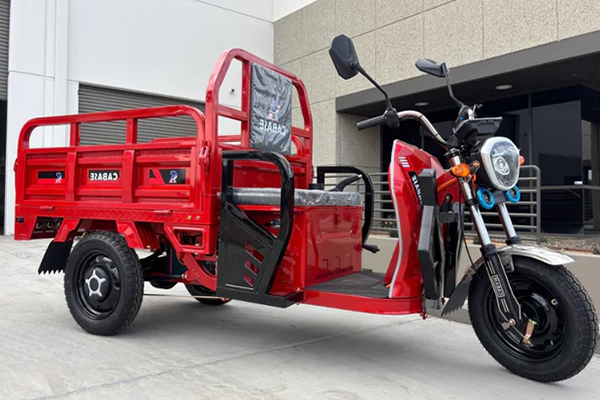
Understanding Your Power: What is a Throttle on an Electric Trike?
Think of the throttle on an electric trike much like the accelerator pedal in a car. It’s a mechanism, usually a twist-grip on the handlebar or a thumb lever, that allows you to directly control the motor’s power output without any need to pedal. When you engage the throttle, it sends a signal to the controller, which then draws power from the battery and delivers it to the motor, causing the tricycle to accelerate. The more you twist or push the throttle, the more power is delivered, and the faster you go, up to the tricycle’s maximum governed speed.
This on-demand power is what makes the throttle so popular. There’s no need to start pedaling to get the motor to kick in. You can be at a complete stop at a traffic light, and a simple twist of the throttle will get you moving instantly. This feature is incredibly useful for getting a heavy cargo tricycle started or for when you need a quick burst of speed to merge with traffic. It provides a feeling of direct control that many riders appreciate. The ability to use the throttle means you can give your legs a complete rest and simply cruise, letting the electric motor do all the work. It’s an empowering feature that truly defines the "electric" part of the electric tricycle.
However, it’s important to know that relying solely on the throttle will drain the battery faster than using other methods. The motor is doing 100% of the work, so it consumes energy at a higher rate. When we design a tricycle, we have to balance motor power with battery capacity. For a business owner, this is a key consideration. If your routes are long, training riders to use the throttle judiciously is crucial for maximizing range and ensuring the battery life lasts for the entire shift. Full throttle operation is great when you need it, but it’s not always the most efficient way to ride an electric tricycle.
How Does the Pedal Assist Feature Work on an Electric Tricycle?
Pedal assist, often shortened to PAS, is a more sophisticated and integrated way to use the power of your electric tricycle. Instead of a throttle that you manually engage, the pedal-assist system uses a sensor to detect when you are pedaling. As soon as you start pedaling, the sensor signals the motor to provide a complementary level of power, making the act of pedaling feel significantly easier. It feels like you have a constant, gentle push helping you along. It’s a true partnership between you and the tricycle.
Most electric trikes with this feature offer multiple levels of pedal assistance. You can typically select the pedal assist level using a controller on the handlebar.
- Low Level (e.g., 1-2): Provides a small amount of help. It feels like a gentle tailwind, perfect for flat terrain or conserving battery life. You’ll do more of the work, but it’s still much easier than riding a regular tricycle.
- Medium Level (e.g., 3): Offers a balanced blend of your effort and motor power. This is often the default setting for everyday riding.
- High Level (e.g., 4-5): Delivers a powerful boost from the motor. This setting makes climbing steep hills feel almost effortless and allows you to reach higher speeds with minimal pedaling.
The beauty of pedal assistance is that it feels very natural, almost like you’ve suddenly become a much stronger cyclist. You are still engaged in the physical act of pedaling, which some riders prefer, but the effort is greatly reduced. The motor automatically stops providing assistance when you stop pedaling or apply the brake. This system encourages a more active riding style and is incredibly efficient, extending your battery’s range compared to using the throttle exclusively. It’s an ergonomic way to ride, as you can maintain a steady cadence without straining.
Throttle vs. Pedal Assist: Which is the Right Choice for Your Riding Needs?
The choice between using the throttle and pedal assist depends entirely on the situation and your personal preference. Neither is "better" than the other; they are simply different tools for different jobs. Many modern electric tricycles, especially high-quality ones designed for commercial use, offer both throttle and pedal assist, giving the rider maximum flexibility. As a business owner, understanding these differences helps you choose the perfect bike for your operational needs.
Here’s a breakdown to help you decide:
| Feature | Throttle | Pedal Assist |
|---|---|---|
| Activation | Manual twist or push | Starts when you pedal |
| Rider Effort | None required | Active pedaling required |
| Feeling | Like riding a scooter | Like having superhuman legs |
| Battery Usage | Higher consumption | More efficient; longer range |
| Best For | Instant acceleration, cruising without pedaling, resting | Exercise, long-distance travel, natural riding feel |
| Control | Direct, on-demand power | Gradual, complementary power |
If you want to cruise and enjoy the ride without breaking a sweat, the throttle is your best friend. It’s perfect for those moments when you feel tired or need to get a heavy load moving from a standstill. On the other hand, if you enjoy the feeling of riding a bicycle and want to get some light exercise while extending your battery life, pedal assist is the way to go. You still get the benefit of the electric motor, but you remain an active participant in the ride. For commercial applications, a combination is often ideal. A delivery rider might use the pedal assist for long stretches to save energy and then use the throttle for quick starts at intersections.
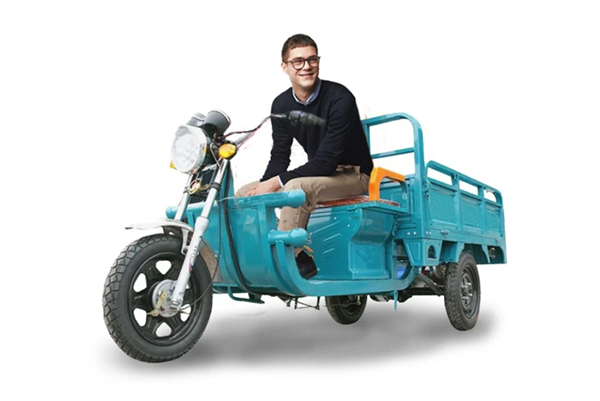
How Do You Safely Start and Stop an Electric Tricycle?
Safety is paramount, and because an electric tricycle has a motor, the process of starting and stopping is slightly different from a non-powered vehicle. Before you start riding, get into a comfortable position on the seat. Most tricycles have a very accessible, low step-through frame, making this easy.
To Start Safely:
- Power On: First, turn the key or press the power button, usually located on the battery or the handlebar display. The display will light up, showing you the battery level and current pedal assist setting.
- Check Your Surroundings: Always be aware of pedestrians, cars, and other cyclists around you.
- Choose Your Method:
- Using Pedal Assist: Ensure you are in a low pedal assist level (like 1) to start. Place your feet on the pedals and simply start pedaling. The motor will gently engage and help you start moving forward smoothly.
- Using the Throttle: Keep your feet on the ground or pedals. Very gently and slowly, twist or push the throttle. The tricycle will begin to accelerate. It’s crucial to be gentle here; a full throttle start can be jerky and surprising for a new rider. I always advise people to practice this in an open area first.
To Stop Safely:
- Anticipate Your Stop: Look ahead and plan your stop in advance.
- Stop Pedaling or Release the Throttle: As soon as you stop pedaling or let go of the throttle, the motor will disengage. The tricycle will begin to decelerate naturally.
- Apply the Brakes: Squeeze both brake levers on the handlebar evenly and smoothly. Most electric tricycles are equipped with motor cutoff switches in the brake levers, which instantly cut power to the motor as an added safety feature. This ensures you won’t be fighting against the motor when you’re trying to come to a complete stop.
- Plant Your Feet: Once stopped, you can put your feet on the ground if you wish, but one of the great benefits of a tricycle is that you don’t have to. It will remain stable and upright.
Mastering Turns on a Tricycle: Is it Different from a Two-Wheeler?
Yes, handling turns on tricycles is fundamentally different and is one of the most important skills for a new rider to learn. When you’re used to riding a two-wheel bicycle, your instinct is to lean the entire vehicle into the turn to maintain balance. Do not do this on a tricycle.
A tricycle has a stable, three-wheel base. Trying to lean the tricycle itself can make it unstable, and at higher speeds, it could even cause the inside wheel to lift off the ground. Instead, the correct technique is to keep the tricycle upright and lean your body into the turn.
Here’s the proper way to handle turns on tricycles:
- Slow Down: Approach the turn at a sensible, controlled speed.
- Stay Seated: Remain firmly in your sitting position.
- Lean Your Body: As you steer the handlebar into the turn, lean your upper body towards the inside of the turn. If you’re turning right, lean your torso to the right. This shifts your center of gravity, keeping all three wheels planted firmly on the ground for maximum stability and traction.
- Look Through the Turn: Keep your eyes focused on where you want to go, not directly in front of your wheel. This will naturally guide your steering.
It might feel a little strange at first if you’re an experienced bicycle rider, but the technique is easy to master with a bit of practice. The stable platform of a tricycle is much safer once you understand this principle, especially when carrying cargo or passengers. Models like our EV31 Electric passenger tricycle are designed with a low center of gravity to enhance this stability during turns.
Can You Ride an Electric Tricycle Without Using the Pedal at All?
Absolutely. This is one of the key advantages of an electric tricycle equipped with a throttle. If you choose a model that has a throttle function, you can ride it just like a mobility scooter or a moped. You simply get on, turn it on, and use the throttle to accelerate and maintain speed. There is no requirement to pedal whatsoever.
This capability is a massive benefit for many users. For a delivery driver on a long and tiring shift, the ability to take a break from pedaling can make a huge difference in their stamina and comfort. For individuals with mobility challenges, a throttle-powered electric trike offers a level of freedom and independence that a standard bicycle or tricycle cannot. You can run errands, visit friends, or just enjoy the outdoors without the physical strain of pedaling.
However, remember the trade-off. As mentioned before, relying exclusively on the throttle will drain the battery more quickly than using pedal assist. When we quote a range for a tricycle, it’s often based on an optimal mix of pedaling and motor use. If a rider plans to use only the throttle, they should expect the achievable range to be on the lower end of that estimate. It’s a simple matter of physics: the more work the motor does, the more energy it consumes.
What are the Best Practices for Maximizing Battery Life?
For any business owner like Mark, who relies on a fleet of electric vehicles, battery performance is a top concern. Maximizing range and extending the overall lifespan of the battery are crucial for operational efficiency and return on investment. As a manufacturer, I can tell you that rider habits play a huge role in battery health.
Here are some best practices to get the most out of your electric tricycle battery:
- Use Pedal Assist: This is the single most effective way to extend your range. By sharing the workload with the motor, you dramatically reduce the energy draw. Using a lower pedal assist level will save even more power.
- Smooth Acceleration: Avoid sudden, full-throttle starts. Gradual acceleration is much more energy-efficient. Think of it like driving a car for better gas mileage—smooth and steady wins the race.
- Maintain a Steady Speed: Constant acceleration and deceleration use more energy than maintaining a consistent, moderate speed.
- Proper Tire Inflation: Under-inflated tires create more rolling resistance, forcing the motor (and you) to work harder. Check tire pressure regularly.
- Limit Heavy Loads: While our cargo tricycles are built to handle significant weight, an overloaded tricycle will naturally require more power to move, which will reduce range. Stick to the recommended load capacity. For heavy-duty tasks, consider a model specifically designed for it, like our Electric cargo tricycle HJ20.
- Smart Charging: Avoid letting the battery drain completely. It’s generally best to charge it after each significant use. Don’t leave it on the charger for days after it’s full, and store batteries in a cool, dry place when not in use for extended periods.
By implementing these habits, you can ensure your electric tricycle fleet operates reliably and efficiently, minimizing downtime and maximizing productivity.
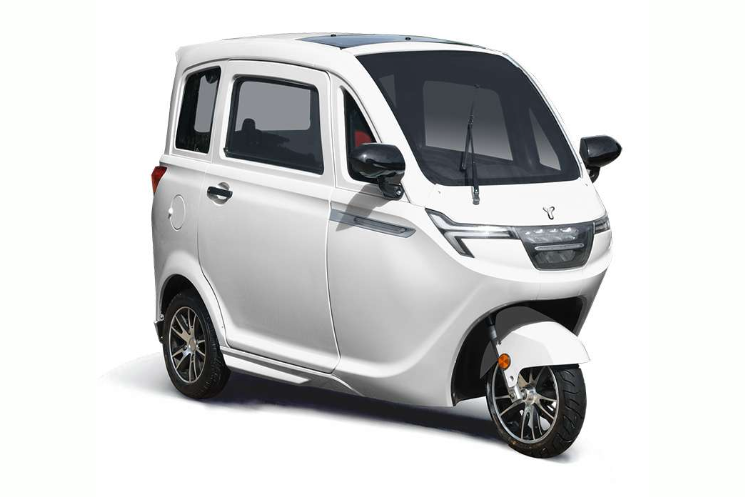
Are Ergonomic Features Important on an Adult Electric Tricycle?
Yes, ergonomic design is incredibly important, especially for a tricycle that will be used for commercial purposes or for extended periods. An ergonomic tricycle is designed to fit the rider, promoting a comfortable and non-straining posture. This isn’t just about comfort; it’s about safety, efficiency, and long-term health. A rider who is comfortable will be more alert, less fatigued, and more productive.
Key ergonomic features to look for on an adult electric tricycle include:
- Adjustable Seat and Handlebar: The ability to adjust the seat height and position, as well as the handlebar reach and angle, allows the rider to find their perfect fit. This prevents back, shoulder, and wrist pain. The ideal sitting position allows for a slight bend in the knee at the bottom of the pedal stroke.
- Upright Riding Posture: Most tricycles naturally promote an upright posture, which is much better for your back and neck than the hunched-over position of some racing bicycles. It also provides a better view of your surroundings.
- Comfortable Saddle: A wide, well-padded saddle is essential for a comfortable ride, especially since you’ll be spending a lot of time in a seated position.
- Easy-to-Reach Controls: The throttle, brake levers, and pedal-assist controller should be easy to reach and operate without having to stretch or shift your hands awkwardly.
From a manufacturing standpoint, we focus on making tricycles that are not just powerful, but also a pleasure to operate for a full day’s work. A comfortable rider is a happy and effective rider, and good ergonomic design is a critical component of a high-quality electric tricycle.
What Should You Look For During a Test Ride of an E-Trike?
A test ride is your best opportunity to see if an electric tricycle is the right fit for you or your business. It’s where theory meets reality. If you have the chance to test ride an e-trike, don’t just take it for a quick spin around the parking lot. Try to simulate the conditions you’ll actually be riding in.
Here’s a checklist for your test ride:
- Test Both Power Modes: Spend time using just the throttle. Then, switch to pedal assist and try out all the different levels. See how each one feels. Does the throttle provide smooth acceleration? Does the pedal assist engage and disengage seamlessly when you start and stop pedaling?
- Practice Turning: Find a safe, open area and practice those turns. Feel how the tricycle handles when you lean your body. Make both sharp and wide turns to get a feel for its stability.
- Test the Brakes: Check how responsive the brakes are. Do they bring the tricycle to a smooth, controlled, and complete stop?
- Find a Hill: If possible, try riding the tricycle up a small hill. This is the ultimate test of the motor’s power. See how it performs using both the throttle and a high pedal assist level.
- Check the Comfort: Pay attention to the ergonomics. Is the seat comfortable? Can you adjust the handlebar to a comfortable position? After 10-15 minutes of riding a trike, do you feel any strain?
- Listen to the Motor: A well-made electric motor should be relatively quiet. Excessive grinding or loud whining noises could be a sign of a lower-quality component.
A thorough test ride will give you the confidence you need to invest in an electric tricycle. It will answer questions that no spec sheet can. You’ll know if the power is sufficient, if the handling is right, and if it’s a vehicle you or your employees will genuinely want to ride.
Key Takeaways to Remember
Investing in an electric tricycle is an excellent decision for enhancing mobility and business efficiency. To ensure a safe and enjoyable experience, keep these points in mind:
- Two Ways to Ride: Your electric tricycle can be powered by a throttle for on-demand, pedal-free cruising, or by pedal assist for a more natural, efficient, and active ride.
- Turning is Different: Always remember to slow down for turns and lean your body, not the tricycle itself, to maintain stability.
- Battery is King: Maximize your range and battery lifespan by using pedal assist, accelerating smoothly, and keeping tires properly inflated.
- Safety First: Always start gently, anticipate your stops, and use your brakes smoothly. The motor cutoff on the brake levers is a key safety feature.
- Comfort Matters: An ergonomic tricycle with an adjustable seat and handlebar will provide a much more comfortable and sustainable riding experience.
- Test Thoroughly: A proper test ride is the best way to feel the difference between the throttle and pedal assist and to confirm the tricycle meets your specific needs.
Post time: 08-12-2025