

The logistics and mobility industries are undergoing a seismic shift. As we look toward 2026, the era of the gas-guzzling van is fading, replaced by the agile and efficient electric cargo bike. For distributors and fleet managers, understanding this transition is not just about being green; it’s about survival and profit. The modern cargo bike is no longer a niche product for eco-enthusiasts; it is a serious industrial hauler capable of transforming last-mile delivery.
As a manufacturer based in Xuzhou, the global hub of electric mobility, I have watched the evolution from simple bicycles to sophisticated electric haulers. This article is worth reading because it cuts through the marketing fluff. We will analyze the top contenders in the US market, such as the Aventon Abound and Lectric models, to understand what consumers and businesses actually want. We will break down critical specs like mph, suspension, and braking systems, and explain why high-quality engineering matters for your bottom line. Whether you are looking for the best electric vehicle for a delivery fleet or a versatile cargo solution for families, this guide explores the heavy-duty future of the electric bike industry.
Why is the 2026 Market Demanding More from the Humble Cargo Bike?
The demand for cargo haulers has exploded, driven by e-commerce and the need for nimble urban transport. In 2026, a standard bicycle just doesn’t cut it. Customers expect a machine that can replace a car. This means the best cargo vehicles must handle heavy loads, navigate tight urban spaces, and offer a riding experience that feels safe and stable.
We are seeing a move towards "SUV-like" capability on two wheels. The e-bike is becoming a primary vehicle. For you as a distributor, this means stocking units that offer a heavy-duty frame and reliable electric motors. The market is moving away from flimsy toys to robust tools. Whether it is for a commute or a full day of deliveries, the expectation is reliability.
Furthermore, regulations are shaping the design. Class 2 and Class 3 definitions are becoming stricter, and safety features like turn signals and hydraulic disc brakes are becoming standard. If you are importing inventory, you need to ensure your spec sheet matches these evolving standards.
How Does the Aventon Abound Set the Standard for Cargo E-Bikes?
When we talk about the best overall designs in the current market, the Aventon Abound frequently comes up. Why? Because it integrates features that make it accessible to the average rider. It features a torque-sensing pedal assist system. Unlike a cadence sensor that just dumps power when you spin the pedals, a torque sensor measures how hard you are pushing. This makes the bike feel natural and zippy.
The Aventon Abound also utilizes a step-through frame. This is critical for cargo applications. When a bike is fully loaded with groceries or equipment, you cannot swing your leg over a high bar. The step-through design allows for easy mounting and dismounting, which is a massive plus for delivery drivers who make 50 stops a day.
Additionally, the Aventon Abound comes equipped with front suspension. While many cargo bikes are rigid, adding a suspension fork absorbs the bumps of city streets, protecting both the rider and the cargo. As a manufacturer, I see this as a necessary evolution. Comfort is no longer optional; it is a requirement for retention in the delivery sector.
Is the Lectric Xpedition the Value King of Cargo Haulers?
On the other end of the spectrum, we see the Lectric Xpedition. This model has disrupted the market by offering a cargo e-bike at a very aggressive price point. For a distributor, the lesson here is about value engineering. Lectric has focused on what matters: carrying capacity and power.
The Lectric Xpedition is famous for its dual battery option. In the logistics world, range is king. A single battery might get you 25 miles, but a second battery can push that to over 50 miles on a range test. This capability allows a delivery driver to work a full shift without stopping to charge.
While it may lack some of the refined finish of more expensive models, it proves that a hauler doesn’t need to be luxury to be effective. It is a workhorse. It focuses on assist level power to get heavy loads up hills. If you are supplying a fleet for a food delivery startup, models that prioritize battery life and load capacity like the Lectric are often the smartest buy.
Specialized Haul ST and LT: Can a Compact Cargo Bike Do It All?
The Specialized Haul series, including the Haul ST (Short Tail) and the newer Haul LT (Long Tail), represents the premium segment. These bikes are interesting because they have a shorter wheelbase than many competitors. This makes them surprisingly nimble and fun to ride.
For a rider navigating crowded alleyways, a massive longtail can be a burden. The Specialized Haul uses wider, smaller diameter tires to keep the center of gravity low. This makes the bike feel smooth and stable, even when carrying a heavy load. It is designed to be one bike to another transition—meaning it drives more like a high-end bicycle than a truck.
However, from an industrial standpoint, the Specialized Haul commands a high price. It is built for the affluent consumer or the high-end corporate fleet. It features integrated front and rear lights, superior hydraulic braking, and a very rigid frame. It sets the benchmark for build quality that other factories try to emulate.
The Rad Power RadWagon and the Legacy of the Longtail
We cannot discuss this topic without mentioning Rad Power Bikes and the Rad Power RadWagon. This bike popularized the longtail concept in the US. A longtail essentially stretches the frame to create a massive rear rack. This rear cargo rack is versatile—it can hold two child seats, large panniers, or a delivery box.
The Rad Power RadWagon proved that there is a huge market for families who want to replace their second car. It offers a payload capacity that rivals small cars. For distributors, the longtail form factor is a staple item. It is the "minivan" of the e-bikes world.
However, dealing with longtail bikes presents shipping challenges due to their size. As a manufacturer, we often look at how to make these designs modular or compact for shipping, similar to how we ship our electric cargo tricycle HJ20 in CKD (Complete Knock Down) form to save on freight.
Class 1, Class 2, or Class 3: Which Spec Rules the Road?
Understanding legal classifications is vital for 2026. Most cargo e-bikes fall into Class 2. This means they have a throttle and a top speed of 20 mph. This is the sweet spot for safety and utility. A rider can use the throttle to get the bike moving from a dead stop—crucial when you have 100lbs of gear on the back—without needing to pedal instantly.
Class 3 bikes can go up to 28 mph with pedal assist. While the extra speed is nice, it often comes with legal restrictions in certain cities or on bike paths. For a general-purpose hauler, 20 mph is usually sufficient. It balances speed with battery efficiency.
We also see a trend toward "unlockable" modes, but for commercial liability, sticking to a strict Class 2 spec is often safer for fleet owners. You don’t want your delivery drivers racing at 28 mph through pedestrian zones. Safety is a key component of the best electric fleet management strategy.
The Importance of Hydraulic Disc Brakes and Heavy-Duty Suspension
If there is one component you should never compromise on, it is the brake system. A fully loaded electric cargo bike can weigh over 400lbs including the rider. Mechanical brakes are simply not strong enough. Hydraulic disc brakes are essential. They provide consistent stopping power with less hand effort.
When we test our heavy-duty vehicles, we simulate panic stops on wet surfaces. Hydraulic systems self-adjust as the pads wear down, reducing maintenance time. If you are importing bikes with mechanical brakes to save $20, you will lose more than that in service calls.
Suspension is the other half of the safety equation. A front suspension fork helps keep the tire in contact with the road. For heavier loads, we are even seeing seat-post suspension or rear suspension becoming popular. A smooth and stable ride protects the frame from fatigue cracks over time.
Battery Tech: Range Tests and Dual Battery Setups
Range anxiety is the enemy of productivity. In 2026, battery technology has improved, but physics is still physics. Moving heavy cargo consumes energy. A standard 500Wh battery might only last 15 miles under full load using the throttle.
This is why the dual battery setup, seen on the Lectric Xpedition and the Aventon Abound LR, is becoming the standard for commercial use. It effectively doubles the range. It allows for an impressive range of 60+ miles on low assist level.
We also focus on the quality of the cells. A cheap battery will degrade after 300 cycles. A high-quality pack will last 800+ cycles. When you look at the spec sheet, don’t just look at the watt hours; look at the cell manufacturer and the warranty. A dead battery in the middle of a delivery route is a disaster.
Two Wheels vs. Three: When a Cargo Bike Isn’t Enough
While two-wheeled electric cargo bikes are fantastic for speed and agility, there is a limit to what they can carry safely. Balancing 300lbs on a bicycle requires a skilled rider. If the bike tips over, the goods are damaged and the rider can be injured.
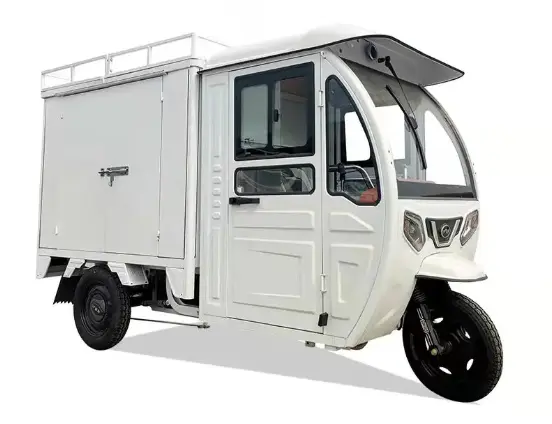
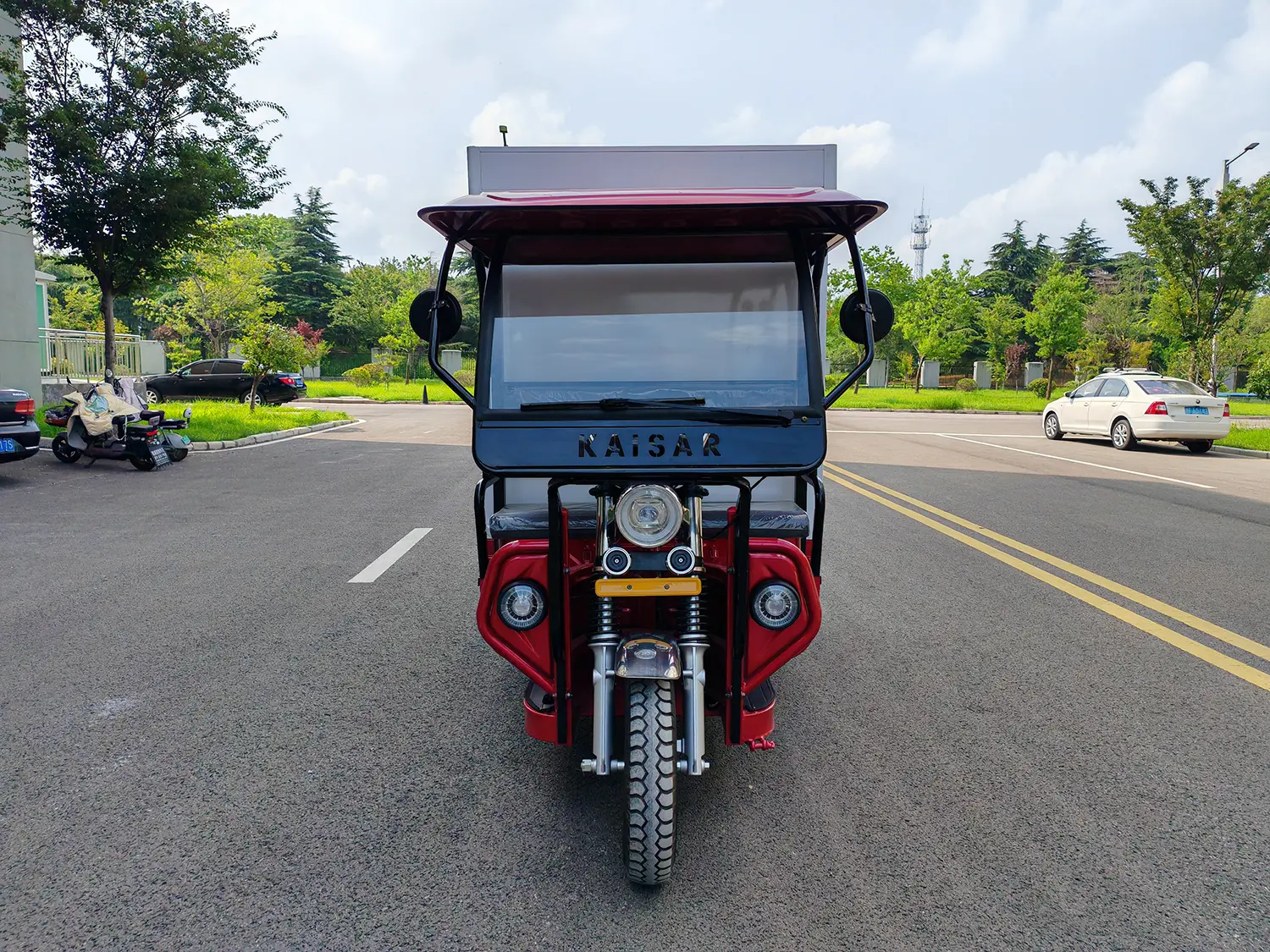
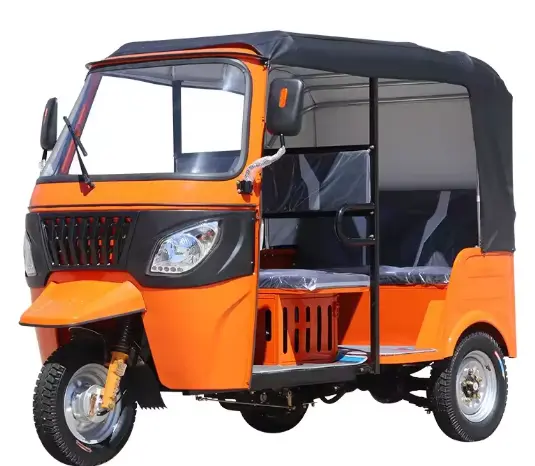
This is where the electric tricycle comes in. As a manufacturer of models like the Van-type logistics electric tricycle HPX10, I see many distributors switching their heavy logistics fleets to 3-wheelers. They offer inherent stability. You don’t need a kickstand. You don’t need to balance.
For tight urban delivery where the load is heavy (like water bottles or construction tools), a trike is often superior to a cargo bike. It combines the handlebar steering familiarity of a bike with the stability of a van. While a Specialized Haul is fun to ride, a trike is a serious volume hauler.
Customizing Your Bike: Rear Racks and Accessories
The profit in the cargo bike business often comes from accessories. A base bike is just a platform. The ability to customize your bike is what sells it. The rear rack is the foundation. From there, customers want baskets, child seats, padded rails, and running boards.
The Aventon Abound and Rad Power RadWagon excel here because they have an ecosystem of accessories. For the best cargo experience, the accessories must fit perfectly. No rattles. No loose bolts.
For our commercial clients, customization means branding. Can we paint the box in their company colors? Can we add a lockable box to the rear cargo area? This flexibility turns a generic product into a tailored solution. Whether it is carrying kids or pizzas, the rear rack configuration is key.
Conclusion: The Future of the Electric Hauler
As we move through 2026, the electric bike market is maturing. The days of retrofitting a basket onto a mountain bike are over. Dedicated cargo e-bikes and cargo e-bike platforms are taking over our streets. Whether you choose a nimble Specialized Haul, a value-packed Lectric, or a feature-rich Aventon Abound, the key is to match the tool to the job.
For lightweight, fast courier work, the 2-wheel electric cargo bike is unbeatable. But for heavy, consistent, and stable logistics, do not overlook the power of the 3-wheel hauler. The best electric vehicle is the one that keeps your drivers safe, your goods secure, and your business profitable.
The cargo bike revolution is here. It is quiet, efficient, and ready to haul.
Key Takeaways
- Torque Sensors Matter: Bikes like the Aventon Abound use torque-sensing technology for a smoother, more natural pedal feel compared to basic cadence sensors.
- Safety First: Always prioritize hydraulic disc brakes and turn signals when choosing a fleet vehicle; mechanical brakes cannot handle the weight of a full load.
- Range is Money: Opt for dual battery systems (like on the Lectric Xpedition) to ensure your cargo haulers can work an entire shift without recharging.
- Know Your Class: Stick to Class 2 (20 mph with throttle) for the best balance of legal compliance and utility in urban environments.
- Stability vs. Agility: Two-wheeled bikes are nimble and great for commuting, but electric tricycles offer superior stability for heavy cargo loads.
- The Longtail Advantage: Longtail designs like the Rad Power RadWagon offer massive rear rack space, perfect for child seats or oversized delivery boxes.
- Suspension is Key: A front suspension or suspension seat post is necessary to protect both the rider and the goods on rough city streets.
- Step-Through Frames: Look for a step-through frame to allow drivers to easily mount and dismount the bike when it is loaded with heavy boxes.
Post time: 02-11-2026