
Moving people and materials across crowded streets requires incredibly smart solutions. Two of the most common transport formats seen globally are the classic tricycle and the famous tuk tuk. But what exactly sets them apart? This guide comprehensively explores their unique designs, daily uses, and distinct market advantages. Whether you run a large distribution fleet or actively manage local taxi routes, reading this complete breakdown will help you confidently choose the exact right unit to maximize your business profits. You will stop guessing and start importing the exact vehicles your market demands.
What Is a Tricycle? Understanding the Classic Three-Wheeled Design
A tricycle is formally defined as any transport unit built with exactly three wheels. In the distant past, people mainly thought of a simple bicycle heavily modified with an extra wheel at the rear axle. These older delivery units were totally pedal-powered and excellent for running short trips around the local neighborhood. Today, modern tricycles have evolved drastically from those incredibly basic roots.
For serious commercial purposes, a motorized tricycle is vastly preferred by entrepreneurs. They efficiently help fleet owners transport goods and people with incredible ease. The basic configuration uses a heavy-duty main motorcycle frame but adds a robust rear carriage or a sidecar setup, a style frequently seen in the philippines. When you look closely at the mature supply chain coming out of manufacturing hubs like Xuzhou, you quickly see how much this specific design has structurally advanced.
Manufacturers continuously upgrade these steel frames to confidently handle massive daily payloads. You can easily find robust options designed purely for heavy weights, completely ensuring your local distribution network never slows down.
What Is a Tuk Tuk? The Iconic Passenger Taxi of Thailand
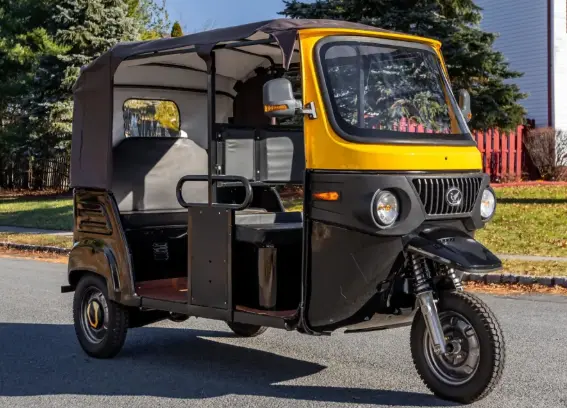
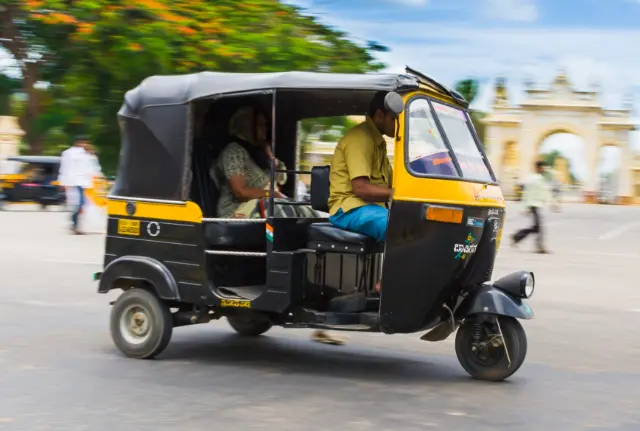
When you visit thailand, you will undoubtedly notice a very specific type of three-wheeled vehicle buzzing everywhere. The local people affectionately call it a tuk-tuk, cleverly named after the rhythmic, tapping sound of its engine. It serves primarily as a vibrant, open-air passenger taxi for tourists and locals alike. You might also hear a strikingly similar passenger design called an auto rickshaw operating heavily in India and parts of East Africa.
These iconic vehicles feature a highly recognizable semi-enclosed structure. A durable, waterproof canopy completely covers the main seating area, shielding riders from sudden rainstorms. Unlike a traditional, exhausting cycle rickshaw, this is a fully powered motorized vehicle, allowing drivers to comfortably work long twelve-hour shifts without physical fatigue. The advanced suspension systems are specifically tuned for carrying humans smoothly over cobblestones. Many tuk-tuks are painted brightly to attract street fares.
Tuk Tuk vs Tricycle: What Are the Key Differences in Engine and Motor Displacement?
So, when we critically examine a tuk tuk vs tricycle side-by-side, what exactly stands out mechanically? One of the key differences lies entirely in power delivery and drivetrain setup. A standard export tuk tuk often relies heavily on a rear-mounted combustion powerplant. You might easily see a cylinder displacement of 200cc or more to handle heavy daily passenger workloads safely.
Meanwhile, many classic three-wheeler formats utilize a front-mounted motorbike front-end securely attached to a large rear flatbed. Today, forward-thinking electric factories completely replace the old, noisy gas setups with powerful electric motors. A high-quality electric drive gives you incredible, instant torque right off the line. That makes it dramatically easier to confidently conquer a steeper incline without breaking a sweat or stalling out.
If you desperately want to see a prime example of modern battery capability, look closely at the Electric passenger tricycle K04. It perfectly blends robust power output with quiet, consistently reliable performance.
How Do Tuk Tuks and Tricycles Compare for Passenger Transport and Cargo Hauling?
Warehouse fleet managers constantly ask me whether tuk tuks and tricycles are better suited for their daily operational work. For dedicated passenger transport, both styles shine brightly and consistently generate excellent daily revenue. However, a specialized flatbed version is absolutely unbeatable for heavy cargo hauling.
If you desperately need to move heavy farm supplies, bulky water jugs, or stacks of construction materials, a dedicated freight model gets the tough job done perfectly. The brilliant structural ingenuity lets your local drivers load immense weights safely without bending the chassis. You can actively move passengers and goods smoothly across wildly varying terrain, ensuring high profitability every single trip.
Distributors importing these units in CKD (Complete Knock Down) form absolutely love the incredible versatility. You can efficiently assemble a base chassis and quickly decide locally whether to attach a flat metal box or a passenger cabin based on immediate customer demand.
Moto Taxi Maneuverability: Which Three-Wheeler Wins in Urban Commuting?
Driving daily in tightly congested areas demands extreme handling capabilities from any vehicle. A true moto taxi must seamlessly dart through narrow alleyway lanes and safely dodge unpredictable heavy traffic. For short-distance urban travel, having three wheels provides much more ground stability than a standard two-wheel scooter, drastically reducing daily accidents.
The unique steering geometry of a premium-quality trike allows operators to turn remarkably sharply in crowded urban streets. You can effortlessly get around tight street corners without ever losing balance or dropping the payload. In constantly busy urban environments or rapidly expanding urban areas, this extreme maneuverability directly reduces daily delivery times and keeps clients completely satisfied.
| Feature | Two-Wheeler | Three-Wheeler |
|---|---|---|
| Stability | Low (tips easily) | High (self-standing) |
| Turning Radius | Wide | Extremely Tight |
| Safety in Traffic | Moderate | Excellent |
From Pedal-Powered to Motorize: The Evolution of Logistics
The massive global transportation industry has rapidly moved away from slow, manual labor over the last two decades. Decades ago, hardworking street merchants relied entirely on a human-powered cart to slowly move their daily items. It was undeniably exhausting. Now, smart fleet managers motorize everything to effortlessly maximize their daily profits.
To successfully motorize a delivery fleet means you can easily complete ten times more trips in a single working day. World-class factories in Xuzhou actively allow global distributors to motorize their product offerings affordably. When you motorize the bare chassis with a modern battery pack, you instantly unlock unprecedented operational efficiency. This massive technological leap permanently transformed localized logistics worldwide.
If you strictly require a completely closed-box solution for secure parcel delivery, the Van-type refrigerated electric tricycle HPX20 beautifully showcases how advanced these modern machines have truly become. Fleet owners often strictly enclose the rear box to prevent street theft.
Seat Capacity and Cabin Design: Can a Trike Fit 4 Passengers?
Everyday rider comfort remains absolutely crucial if you operate a daily public transport business. A high-quality passenger vehicle features a highly comfortable driver seat and an intelligently extended rear bench layout. Some upgraded heavy-duty models can safely fit up to 4 passengers in the back row without bottoming out the suspension.
The protective cabin actively shields riders from harsh rain and punishing midday sun rays. While they obviously do not feature full luxury climate control like a premium taxi car, the natural open airflow successfully provides a genuinely pleasant riding experience. When purchasing specialized units specifically for passenger use, always strictly verify the quality of the shock absorbers to guarantee the ride stays buttery smooth.
Why Customize Your Frame for Vend or Mobile Shop Uses?
A massive financial advantage of importing a bare three-wheel base unit is total structural flexibility. You can structurally customize the outer steel body to fit your exact entrepreneurial needs perfectly. Countless ambitious overseas buyers actively modify their base units to securely vend hot street food, ice cream, or freshly brewed coffee.
You simply build a folding serving window directly into the rear compartment. This smart customization immediately opens up huge, highly profitable daily revenue streams. Whether you decide to set up a mobile street bakery or perfectly optimize the backend for deliveries, the heavy-duty frame handles the physical modification easily.
Many savvy distributors deliberately import the Electric cargo tricycle HJ20 specifically to build custom food carts locally. The affordability of CKD shipping saves them thousands on import tariffs compared to buying fully built food trucks.
Are 3 Wheels Better Than a Two-Wheeler for Crowded Streets?
Countless global citizens rely heavily on a standard motorbike for fast personal transport. But for growing commercial businesses, having exactly 3 wheels is far superior in almost every single way. A well-balanced, solidly engineered frame will absolutely not tip over when heavily loaded with half a ton of dense materials.
In emerging developing countries and vast, rugged stretches of latin america, these versatile vehicles serve as highly essential public transportation. They confidently navigate unpaved dirt trails in rural areas much safer than any two-wheeler ever could. They effectively bridge the vast financial gap between wildly expensive diesel trucks and tiny, fragile bikes, fulfilling incredibly crucial daily transportation needs.
Petrol vs Electric: Lowering Operating Costs for Your Fleet
Global crude fuel prices are perpetually rising every single year. Sticking rigidly to an outdated petrol system severely drains your overall profit margin daily. This exact harsh financial reality is exactly why logistics fleets consistently operating across urban and rural areas are rapidly switching exclusively to battery-powered units.
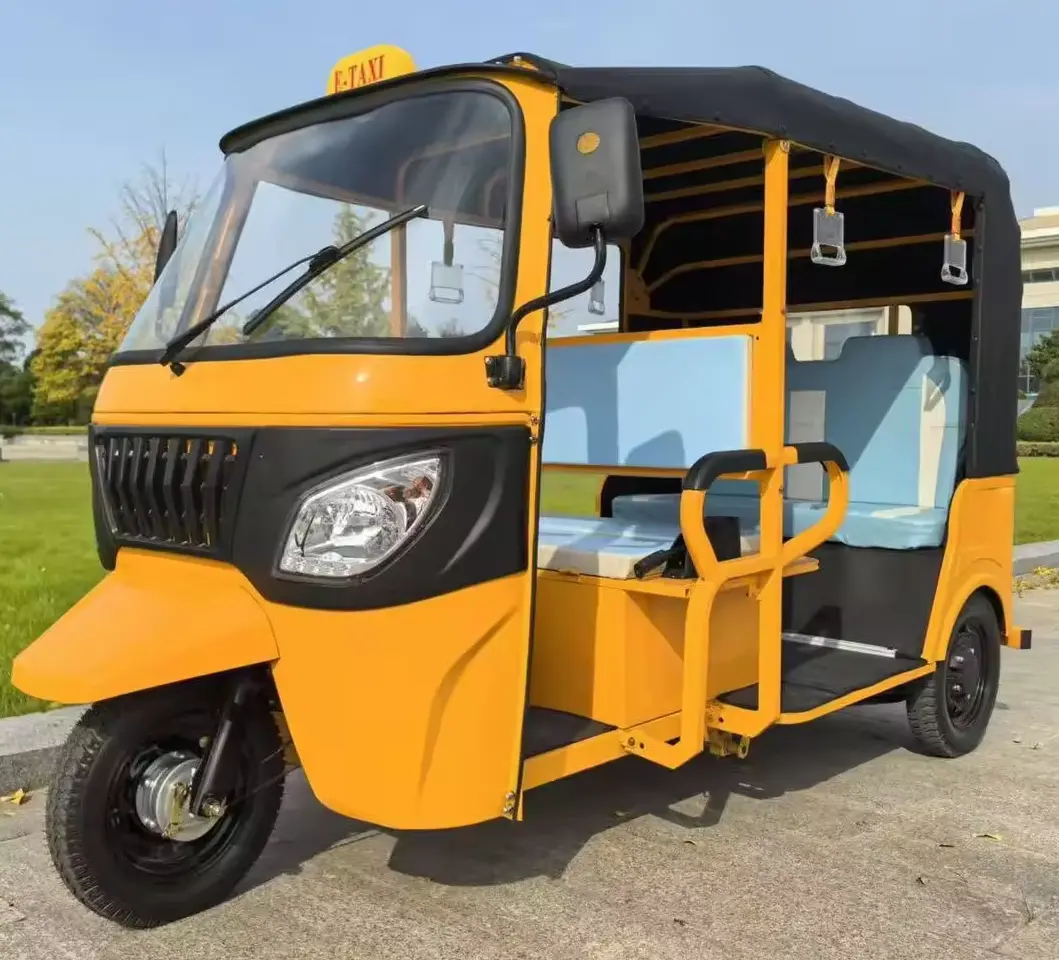
A thoroughly modern battery-operated model utilizes massive lithium or lead-acid packs and highly efficient powertrain systems. This strategic fleet switch instantly drops your daily operating costs drastically. It is also completely eco-friendly, successfully producing absolute zero toxic exhaust fumes. Plus, with drastically fewer internal moving parts than a combustion block, a modern battery model is significantly easier and noticeably cheaper to maintain.
Consider examining the rugged Electric cargo carrier tricycle HP10 for your heavy lifting needs; it actively proves that clean battery power can easily outwork dirty gas any day of the week.
Summary of the Most Important Things to Remember
- Understand the Build: A true tricycle focuses heavily on utility and payload capacity, while a tuk-tuk is primarily built for moving humans comfortably.
- Evaluate Your Environment: Always choose an electric powertrain over gas to drastically lower maintenance costs and eliminate fuel expenses in congested cities.
- Maximize Container Space: Importing your fleet in completely knocked down (CKD) form drastically reduces your ocean shipping fees and slashes local import taxes.
- Prioritize Stability: Utilizing three wheels provides unmatched safety and balance on unpaved dirt roads compared to standard two-wheelers.
- Leverage Modifications: Buying base frames allows you to easily modify the rear sections locally to create highly profitable mobile vending shops.
Post time: 05-18-2026