

The modern world is moving fast, but sometimes, the best way to move forward is on three wheels. The surge in popularity of the electric trike is not a coincidence; it is a response to a need for stability, efficiency, and accessibility in personal transportation. Whether you are a business owner looking to equip a delivery fleet or an individual seeking a reliable way to navigate your city, the electric tricycle offers a unique solution that two wheels simply cannot match. Finding the best electric tricycle for adults requires looking past the shiny paint and understanding the engineering that keeps you safe and moving. From the battery capacity to the geometry of the frame, every detail matters. This guide dives deep into the mechanics and features that distinguish a high-quality adult tricycle from a toy, ensuring every rider finds their perfect match.
Why is the Electric Tricycle the Most Stable Choice for Every Rider?
When you compare an electric bike to an electric tricycle, the most obvious difference is the third wheel. However, the impact of that extra point of contact goes far beyond just aesthetics. For any rider who has ever felt nervous about balancing on a bicycle at a stoplight, the trike is a game-changer. The stability offered by a three-wheeled design means you never have to put your feet down when you come to a halt. This is crucial for seniors or anyone with balance issues.
In my years managing a factory, I have seen how the frame geometry contributes to this stability. A well-designed electric trike has a low center of gravity. This keeps the trike planted on the ground, even when cornering. Unlike a standard bike where you lean into turns, a trike remains stable and upright. This upright riding position also improves visibility, allowing the rider to see over traffic and be seen by others.
Furthermore, the rear axle design plays a massive role. High-quality models use a rear differential. This allows the rear wheels to spin at different speeds when turning—the outside wheel spins faster than the inside one. Without this feature, a trike can feel tippy or hard to steer in sharp corners. When you ride a tricycle equipped with a proper differential, the experience is smooth and predictable, inspiring confidence on every journey.
How Does a 500w Motor Compare to Larger Options in an Electric Trike?
The heart of any electric vehicle is its motor. When looking at specs, you will often see numbers like 250W, 500w, or 750w. But what do these numbers mean for your daily ride? A 500w motor is often considered the "sweet spot" for a standard adult electric trike intended for flat to moderately rolling terrain. It offers enough power to cruise at a comfortable 18 mph without draining the battery too quickly.
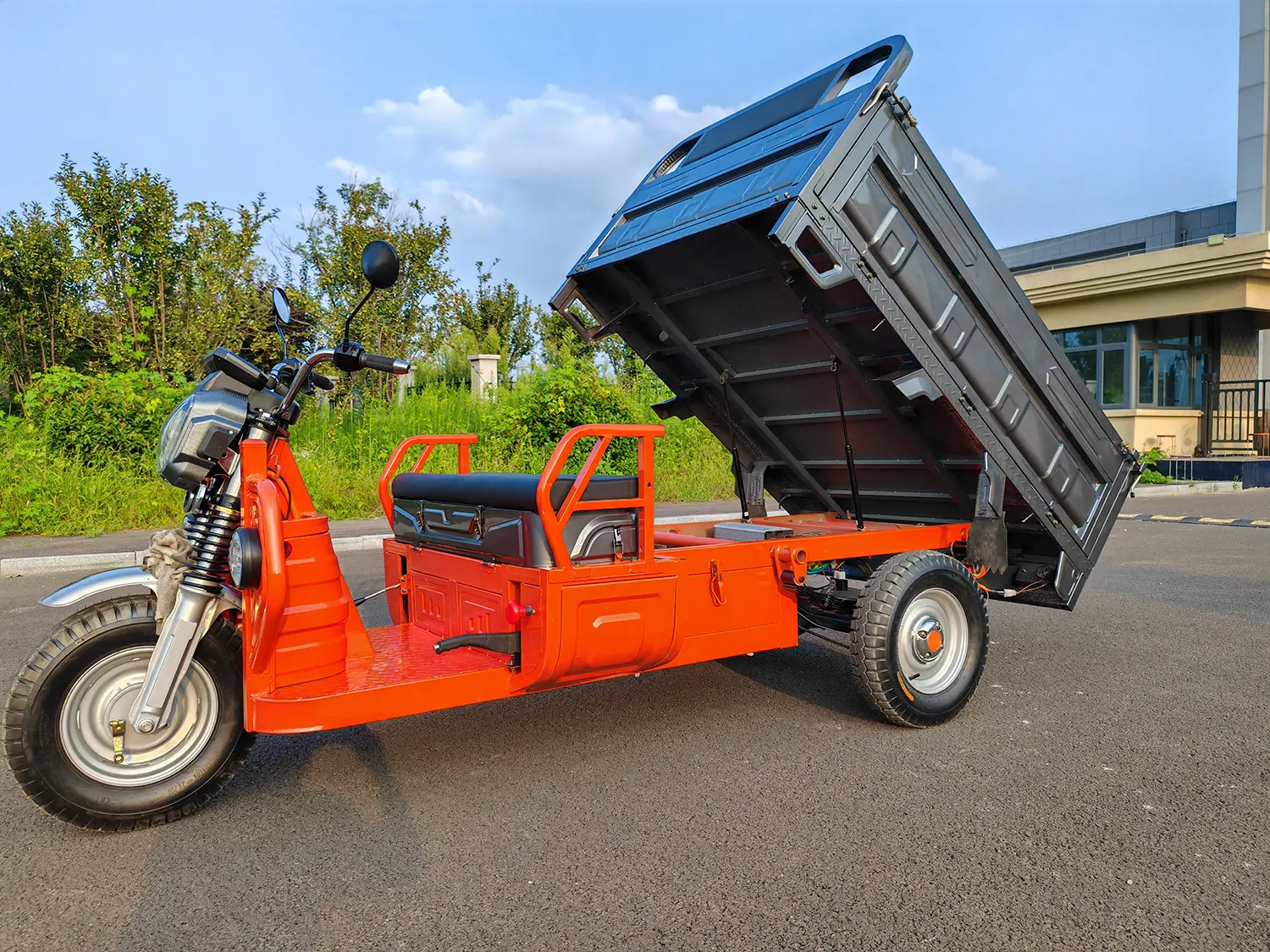
However, if you plan to haul heavy loads or live in a hilly area, you might need more grunt. A 750w motor provides significantly more torque. Torque is the twisting force that gets you moving from a dead stop or pushes you up a steep incline. For commercial applications, like our Electric cargo tricycle HJ20, we often utilize even more powerful motors combined with lower gear ratios to maximize hauling capability rather than top speed.
It is also important to consider the placement of the motor. A hub motor (located in the front or rear wheel) is common and reliable. However, a mid-drive motor (located at the pedals) offers a different experience. A mid-drive motor leverages the bike‘s gears, making it incredibly efficient for climbing hills. While a hub motor might struggle on a steep grade, a mid-drive system keeps the RPMs in an optimal range. Choosing the right motor depends entirely on where and how you plan to ride.
Can an Adult Tricycle Handle Rough Terrain and Hilly Roads?
Many people assume an electric tricycle is only for smooth pavement. While city streets are their natural habitat, a robust trike can handle much more. The key lies in the tire selection and suspension system. A standard street tire is great for efficiency, but it lacks grip on loose surfaces.
For those wanting to venture off the beaten path, or simply navigate pot-holed city streets comfortably, "fat tires" are the answer. These wide tires run at lower pressures, acting as a natural shock absorber. They provide a massive contact patch, giving you traction on gravel, sand, or wet grass. When you combine fat tires with a front suspension fork, the electric trike floats over bumps that would rattle your teeth on a standard bicycle.
Handling hilly terrain is a different challenge. As mentioned, motor power is key, but so is your battery voltage. A 48V system is generally better for hills than a 36V system because it delivers power more consistently under load. Additionally, having good brakes is essential when coming back down those hills. We will discuss disc brakes later, but remember: going up is optional, but coming down safely is mandatory. A quality adult tricycle is built to handle the ups and downs of your environment.
What Determines the Range and Battery Life of an Electric Tricycle?
"How far can I go?" This is the most common question I get. The range of an electric tricycle depends on the battery capacity (measured in Watt-Hours or Amp-Hours) and how you use the power. A standard ebike might get 20 miles on a charge, but a high-capacity trike can achieve 45 miles or even 55 miles with the right setup.
There are two main ways to propel an electric trike: pedal assist and using the throttle.
- Pedal Assist: The motor kicks in only when you pedal. This is the most efficient mode. You can often choose different levels of assistance. On a low setting, you might get miles on a single charge well into the 60s or 70s.
- Full Throttle: You simply twist or push a throttle, and the trike goes without you pedaling. This is fun and useful for starting from a stop, but it drains the battery much faster. Relying solely on the throttle might cut your range in half.
For commercial users, we sometimes offer dual-battery options to provide an extended range of over 100 miles. The weight of the rider and cargo also plays a huge role. Carrying an extra 50 lbs of groceries in the rear basket will reduce your range, as will riding into a headwind. Understanding these factors helps you plan your ride and avoid "range anxiety."
Why is the Step-Through Design Crucial for the Best Electric Tricycle?
Design is not just about looks; it is about usability. One of the most critical features of the best electric tricycle for adults is the step-through frame. Unlike a traditional diamond-frame bike where you have to swing your leg high over the seat, a step-through frame allows you to simply step across the lowest point of the frame.
This design is vital for riders with limited flexibility or those who wear skirts or dresses. It makes mounting and dismounting safe and effortless. When you carry heavy loads in a rear basket, the trike can become top-heavy. Trying to swing a leg over a high bar while balancing a loaded trike is a recipe for a fall. The step-through design eliminates this risk.
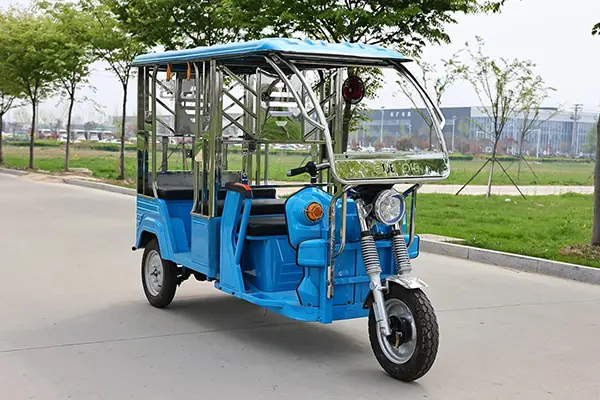
Comfort extends to the saddle and handlebars too. An upright handlebar position reduces strain on your back and wrists. A wide, padded saddle—often with a suspension seat post—ensures that even a long ride remains super comfortable. We design our EV5 Electric passenger tricycle with ease of access as a priority, recognizing that comfort is the key to enjoying the ride.
Why Are Disc Brakes Essential for Heavy Electric Trikes?
An electric trike is heavier than a standard bicycle. It has a motor, a battery, an extra wheel, and a sturdy frame. When you add a rider and cargo, you have a significant amount of mass moving at 18 mph or more. Stopping this mass requires serious stopping power.
This is why disc brakes are non-negotiable. Old-fashioned rim brakes (the rubber pads that squeeze the rim) simply aren’t strong enough, especially in wet weather. Disc brakes, which use a caliper to squeeze a metal rotor attached to the wheel hub, offer far superior performance.
There are two types of disc brakes: mechanical and hydraulic. Mechanical brakes use a cable, while hydraulic brakes use fluid. Hydraulic disc brakes are the gold standard. They require less hand strength to operate and self-adjust as the pads wear down. For a loaded cargo trike, hydraulic brakes provide the responsive control you need to navigate traffic safely. Never compromise on the braking system; it is the most important safety feature on your trike.
How Can a Rear Basket Transform Your Electric Tricycle into a Workhorse?
The utility of an electric tricycle is often defined by its cargo capacity. While a backpack might suffice on a bike, a trike offers the stability to carry much more. A spacious rear basket is a standard feature on many models, but its potential is often underestimated.
For a business owner, that basket represents opportunity. You can transport tools, deliver food orders, or move inventory between shops. The payload capacity of a sturdy trike can exceed 300 or 400 lbs (including the rider). Because the weight is centered between the two rear wheels, it doesn’t upset the balance of the vehicle like heavy panniers on a bicycle would.
Beyond the basic wire basket, there are endless customization options. You can install insulated boxes for food delivery, locking trunks for security, or even specialized racks for equipment. Our Van-type logistics electric tricycle HPX10 takes this concept to the extreme, offering a fully enclosed cargo area for professional logistics. Whether you need to run errands or run a business, the cargo space defines the trike‘s purpose.
What is the Difference Between Delta and Tadpole Electric Trikes?
When you shop for an electric trike, you might notice two distinct shapes. The most common is the delta design, which has one wheel in the front and two in the back. This is the classic tricycle look. It offers a tight turning radius, easy mounting, and great cargo capacity in the rear. It is generally the best electric choice for utility and casual riding.
The other design is the tadpole trike, which has two front wheels and one in the back. These are often recumbent trikes, where the rider sits low to the ground with legs extended forward. The tadpole design offers incredible stability at high speeds because the wide track is at the front, where the steering happens. It corners like a go-kart.
However, recumbent tadpole trikes are lower, making them harder for cars to see in traffic, and they can be more difficult to get in and out of for people with mobility issues. For most adults looking for the best electric solution for daily tasks, the delta configuration provides the best balance of comfort, visibility, and utility.
How Do You Maintain an Electric Tricycle for Long-Term Reliability?
An electric tricycle is an investment, and like any vehicle, it requires care. The good news is that electric drivetrains require less maintenance than gas engines. There are no oil changes or spark plugs. However, a few simple habits will keep your trike running smoothly.
First, keep your tires inflated to the recommended pressure. Soft tires drain the battery faster and make the trike handle poorly. Second, take care of your battery. Don’t leave it fully discharged for months during the winter. Store it in a cool, dry place. Third, check your brakes regularly. The heavy weight of a trike wears down brake pads faster than on a bike.
Finally, keep the chain clean and lubricated. Even though it has a motor, the mechanical drivetrain still needs to move freely. If you are using your trike for business, establishing a relationship with a supplier who offers expert support and spare parts is vital. As a manufacturer, we ensure our clients have access to every screw and sensor they might need to keep their fleets on the road.
What Factors Influence the Price of the Best Electric Tricycle for Adults?
The price of an electric trike can vary wildly, from a few hundred dollars to several thousand. What drives this difference? It usually comes down to the quality of the components.
- Battery: A cheap battery might use generic cells that degrade quickly. A high-quality battery uses cells from reputable brands like Samsung or LG, offering safer operation and a longer lifespan.
- Motor: A generic motor might overheat under load. A branded motor (like Bafang) is efficient and durable.
- Frame: A cheap steel frame is heavy and prone to rust. A quality aluminum frame is light and strong.
- Features: Suspension, hydraulic disc brakes, lights, and advanced displays all add to the cost but significantly improve the riding experience.
When you are looking for the best electric trike, remember that you often get what you pay for. A "bargain" trike that breaks down after 500 miles is not a bargain. Investing in a stable, reliable machine with good expert support ensures that you will be able to ride happily for years to come.
Key Takeaways for the Informed Buyer
- Stability is King: The third wheel and low center of gravity eliminate balance issues, making the electric trike safe for every rider.
- Power for Purpose: Choose a 500w motor for flat terrain, but upgrade to 750w or more for hilly areas or heavy payloads.
- Braking Matters: Always prioritize disc brakes—preferably hydraulic—to manage the weight and speed of an electric tricycle.
- Battery Equals Freedom: Look for a high-capacity battery to ensure you get enough miles on a single charge for your needs, whether it’s 20 miles or 45 miles.
- Comfort is Key: Features like a step-through frame, upright seating, and suspension make the trike a joy to use around town.
- Utility First: A sturdy rear basket turns your trike into a practical vehicle to run errands or transport goods.
Post time: 12-31-2025