
As a manufacturer of electric tricycles here in China, I talk to business owners and fleet managers all over the world. From the busy streets of New York to the coastal towns of Australia, one topic comes up constantly: safety. Specifically, people ask me about the rules for the head. When you invest in a fleet for delivery or tourism, you aren’t just buying a machine; you are responsible for the person operating it. This article explores a critical question: Do adult riders need to wear protective headgear on a three-wheeler? We will dive into the safety benefits, the legal landscape, and why this simple piece of gear is a non-negotiable requirement for my clients.
Whether you are a seasoned rider or a business owner like Mark Thompson looking to equip a delivery team, understanding the nuances of helmet laws and safety culture is vital. This isn’t just about avoiding a ticket; it’s about protecting your most valuable asset—your people. In this guide, we will break down the myths, the facts, and the practical reasons why you should strap in before you ride.
Why is it Important for Adult Tricycle Riders to Wear a Helmet?
There is a common misconception that because a tricycle has three wheels, it is impossible to crash. As a factory owner who has seen thousands of these vehicles produced, I can tell you that stability does not equal invincibility. While a trike offers significantly more balance than a two-wheeled bike, gravity still applies. Adult tricycle riders often feel a false sense of security due to the third wheel. However, tipping over on a curb, colliding with a pedestrian, or hitting a pothole can still eject a rider.
When you ride, you are sharing the road with cars, trucks, and other hazards. Even if you are the most careful driver in the world, you cannot control the actions of others. If a car swerves into the bike lane, the extra stability of a trike might not be enough to prevent a fall. In these moments, the decision to wear a helmet can be the difference between a minor headache and a life-changing event. It is a simple precaution that protects the brain and skull from direct impact.
Furthermore, setting a good example is crucial. If you run a business using these vehicles, requiring your staff to wear safety gear shows that you value their well-being. It creates a culture of safety. Whether you are on a traditional bicycle or a motorized trike, the pavement feels the same when you hit it. Wearing helmets is the cheapest and most effective insurance policy you can buy for your body.
Does the Law Require You to Wear a Helmet While Riding a Trike?
Navigating the legal landscape of helmet laws can be tricky because regulations vary wildly depending on where you are. In the United States, for example, there is no single federal law mandating helmet use for adults on bicycles or tricycles. Instead, these laws are determined at the state or even city level. In some places, it is mandatory for everyone; in others, only those under the age of 16 or 18 are legally required to wear one.
Often, the law depends on how the vehicle is classified. Is your electric trike considered a bicycle, a scooter, or a motor vehicle? If your e-trike falls under the class of a standard e-bike (usually limited to 20 mph), many jurisdictions treat it the same as a regular bike. This means that if adults aren’t required to wear helmets on bicycles in that city, they likely aren’t required to on a trike either. However, you must always check local regulations to be sure.
Conversely, if your tricycle has a powerful motor that pushes it into the "moped" or "motorcycle" category, the rules change drastically. In these cases, a DOT-approved motorcycle helmet might be required by law. Ignorance of the law is never a valid defense. I always tell my B2B clients to check with their local Department of Motor Vehicles or local police station to ensure their fleet is compliant. It saves you from fines and keeps your drivers legal on the street.
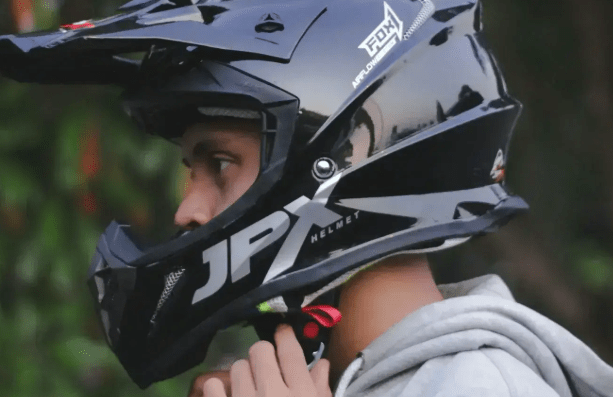
How Does the Speed of an Electric Trike Impact Safety Risks?
The rise of the electric trike has changed the game. We aren’t just pedaling slowly around the park anymore. Our logistics models, like the Electric cargo tricycle HJ20, are designed to move goods efficiently. This means they operate at higher speeds than a standard pedal tricycle. When you add speed to the equation, the kinetic energy in a potential crash increases significantly.
At 15 or 20 mph, hitting the ground carries much more force than falling over at a standstill. The motor provides consistent power, which is great for hauling loads, but it also means the rider is consistently moving at a pace where reactions need to be sharper. If a rider needs to brake suddenly on a wet road, the dynamics of a heavier, faster vehicle come into play. A helmet becomes essential protective gear at these speeds.
Many adult riders underestimate the power of these machines. They treat them like toys rather than vehicles. But if you are moving at the speed of city traffic, you face the same risks as a scooter or moped rider. You wouldn’t ride a moped without a helmet, so why would you ride an electric three-wheeler without one? The physics of a collision at 20 mph are unforgiving, regardless of what you are riding.
Can Wearing Helmets Reduce the Severity of Head Injuries in a Crash?
The medical data on this is clear and overwhelming: helmets work. Studies consistently show that wearing helmets can drastically reduce the risk of severe brain injury and death. When a rider falls, the head acts like a pendulum. If it strikes the concrete, the helmet absorbs the energy of the impact, crushing the foam liner instead of your skull.
Head injuries are unpredictable. You don’t need to be in a high-speed collision with a car to suffer a traumatic injury. A simple fall from a stationary height can be enough to cause damage. By wearing a helmet, you are providing a buffer zone. It distributes the force of the impact over a larger area, protecting the critical parts of the brain.
For a business owner, this is also a practical consideration. An employee with a minor concussion might be out of work for a week. An employee with a severe traumatic brain injury might never work again. Providing and enforcing the use of helmets is a direct investment in the longevity and health of your workforce. It minimizes the severity of accidents, turning potential tragedies into manageable incidents.
Are There Legal Exemptions for Religious Headwear Like a Turban?
This is a question that comes up frequently in international markets, particularly in regions with large Sikh populations like the UK, Canada, and parts of the United States. In the Sikh faith, wearing a turban is a mandatory religious observance. Recognizing this, many jurisdictions have created specific exemptions in their helmet laws.
Typically, these laws state that a member of the Sikh religion who is wearing a turban is exempt from the requirement to wear a helmet while riding a motorcycle or bicycle. This is a respect for religious freedom. However, from a strict safety perspective, a turban does not offer the same level of impact protection as a certified safety helmet.
If you employ riders who fall under this exemption, it is important to understand the local jurisdiction. While they may be legally exempt, you as a business owner should still provide comprehensive training on defensive driving to mitigate risks. It is a delicate balance between respecting religious rights and ensuring the safety of every rider on the road.
Does the Type of Trike, Like a Recumbent, Change the Rules?
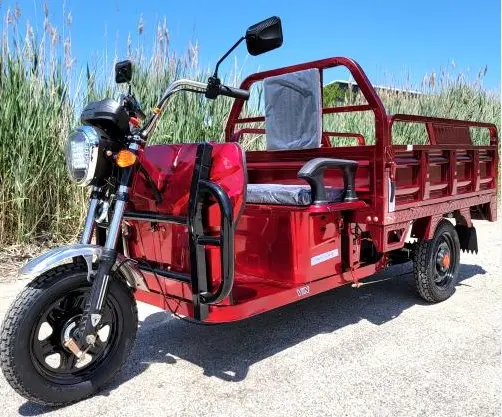
Not all tricycles are created equal. You have upright cargo trikes, passenger trikes like our EV5 Electric passenger tricycle, and recumbent trikes where the rider sits low to the ground with legs forward. Does the shape of the bike change the helmet rule? Legally, usually not. But practically, the risks differ slightly.
On a recumbent trike, the center of gravity is much lower. This makes them incredibly stable and less likely to tip over than an upright trike. However, being lower to the ground presents a new danger: visibility. Cars might not see a low-profile recumbent rider as easily in traffic. In a collision with a motor vehicle, the rider is still vulnerable.
Furthermore, on an upright trike, a fall usually involves a greater distance to the ground. This height adds to the impact force. Regardless of the configuration—whether you are sitting high on a cargo saddle or low in a recumbent seat—your head remains vulnerable to impact with the vehicle frame, the ground, or other vehicles. Therefore, the recommendation to wear a helmet while riding applies universally across all styles of tricycles.
What Safety Certification Should You Look for in a Helmet?
If you are going to wear a helmet, make sure it actually works. Buying a cheap, novelty toy helmet is almost as bad as wearing nothing at all. You need gear that has been rigorously tested. In the US, look for a sticker inside the helmet stating it complies with CPSC (Consumer Product Safety Commission) standards. This is the baseline for bicycle helmet safety.
For higher-speed electric tricycles (Class 3 e-bikes or faster), you might want to look for NTA 8776 certification. This is a Dutch standard specifically designed for e-bike riders, offering greater coverage and protection against higher impact speeds. If your trike is legally a moped, you will need a DOT-approved helmet.
Key features to look for include:
- Fit: It should be snug but not uncomfortable. It shouldn’t wiggle when you shake your head.
- Ventilation: Good airflow keeps the rider cool, making them more likely to keep the helmet on.
- Weight: A light helmet reduces neck strain during long shifts.
- Visibility: Bright colors or built-in light features help drivers see you in the dark.
- MIPS: (Multi-directional Impact Protection System) allows the helmet to rotate slightly on impact, reducing rotational forces on the brain.
How Does Helmet Use Affect Insurance Claims After an Accident?
This is a huge concern for B2B clients. If one of your drivers gets into an accident and wasn’t wearing a helmet, it can complicate insurance claims significantly. Even if the crash wasn’t your driver’s fault, the opposing insurance company might argue that the severity of the injury was caused by the lack of safety gear.
This is known as "contributory negligence" in some legal systems. They might say, "Yes, our client hit your driver, but your driver’s failure to wear a helmet made the damages worse." This can reduce the compensation you or your employee receives.
By mandating that every rider wear a helmet while riding, you are protecting your company’s liability. It shows that you took all reasonable steps to ensure safety. It makes dealing with insurance companies much smoother in the unfortunate event of a collision. For a fleet manager, enforcing a strict helmet policy is a smart financial decision as much as a moral one.
Do Age Restrictions Apply to Helmet Laws for Riders Under 16?
While laws for adult riders can be loose, laws for children are usually strict. In almost every state in the US and many countries globally, it is mandatory for riders under a certain age—typically 16 or 18—to wear a helmet.
If you are a business owner renting tricycles to tourists or families, you must be vigilant about this. If you rent a trike to a family and let a child ride without a helmet, you could be facing severe legal penalties and liability issues.
Even if the law doesn’t explicitly mention tricycle riders, the general bicycle helmet laws almost always apply to children on three wheels. The developing brain of a child is extremely susceptible to injury. As a manufacturer, we design our family-oriented vehicles with safety in mind, but we cannot engineer out the need for parental supervision and proper safety gear. Always check the age of the rider and enforce the rules without exception.
What Does a Responsible Manufacturer Recommend for Every Ride?
So, what is the final verdict from the factory floor? As a manufacturer, my stance is clear: recommend helmets for everyone, on every ride. It doesn’t matter if you are going 5 mph or 20 mph. It doesn’t matter if you are on a quiet street or a busy avenue. The unpredictable nature of the world means you should always be prepared.
We build our tricycles to be robust, durable, and stable. We use high-quality brakes and frames. But we can’t control the environment. I advise all my customers—whether they are buying one unit or one hundred—to include a helmet as part of the standard uniform.
Think of it this way: You wouldn’t drive a car without a seatbelt. You shouldn’t ride a trike without a helmet. It is a small, practical step that ensures you live to ride another day. Make it a habit, make it a policy, and keep your head safe.
Key Points to Remember
- Safety First: Stability on three wheels does not eliminate the risk of head injuries; helmets are crucial for protection.
- Check the Law: Regulations vary by location. While adults may not always be legally required to wear one, children under 16 almost always are.
- Speed Matters: Electric tricycles travel at higher speeds than pedal bikes, increasing the force of impact in a crash.
- Liability Protection: Enforcing helmet use can protect your business from complicated insurance disputes and liability claims.
- Get Certified Gear: Ensure your helmet meets CPSC or equivalent safety standards for maximum effectiveness.
- Religious Exemptions: Be aware of local laws regarding Sikh riders and turbans, but continue to emphasize safety training.
Post time: 12-03-2025