

A battery operated tricycle commonly travels at about 12 to 20 mph (19 to 32 km/h), but the real top speed depends on the trike’s motor, battery voltage, controller settings, rider and cargo weight, road gradient, tire condition, and local speed rules.
Some low-speed mobility-oriented models are designed for slower, steadier travel. More powerful electric tricycles for commuting or light cargo may reach around 20 mph or more when used in permitted conditions. The important point is that a higher advertised mph does not automatically mean a better choice: stability, braking, range, payload capacity, and intended use matter just as much.
Typical Speed Ranges for a Battery Operated Tricycle
| Battery Operated Tricycle Type | Typical Speed Range | Suitable Use |
|---|---|---|
| Mobility or comfort tricycle | 8–15 mph | Short local trips and relaxed riding |
| Everyday electric tricycle | 12–20 mph | Commuting, errands, neighborhood transport |
| Cargo-oriented electric tricycle | 12–20 mph | Deliveries and transporting goods |
| Performance-oriented electric tricycle | 20 mph or above | Experienced riders where legally permitted |
Actual speed can be lower when the tricycle is carrying cargo, climbing slopes, operating in cold weather, or running with a partially depleted battery.
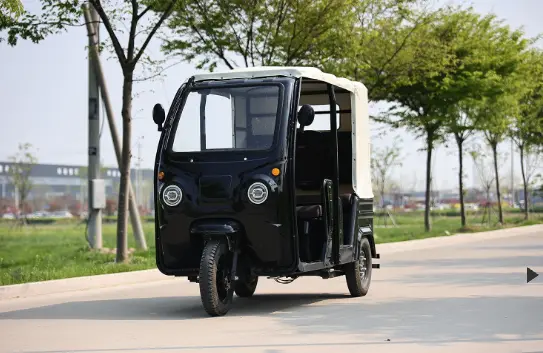
What Determines How Fast a Battery Operated Tricycle Can Go?
Motor power and controller settings
The motor supplies the force that moves the tricycle, while the controller regulates how that power is delivered. A more powerful motor may help the trike maintain speed on inclines or with a heavier load, but controller limits can cap its top speed for safety, efficiency, or regulatory reasons.
Battery voltage and battery condition
Battery voltage influences the electrical system’s potential speed and power delivery. A fully charged, healthy battery usually supports stronger performance than an aging or low-charge battery. Battery capacity, often measured in amp-hours, affects range more directly than top speed, although a suitable battery system helps the motor perform consistently.
Rider weight, cargo, and payload
A battery operated tricycle carrying one rider on flat pavement can travel differently from the same model loaded with tools, groceries, or delivery goods. Buyers should compare the manufacturer’s stated payload limit with their expected rider weight, cargo weight, and accessories.
Terrain and road surface
Smooth, level roads are ideal for achieving normal operating speed. Hills, loose surfaces, wet roads, potholes, and strong headwinds can reduce mph and increase battery consumption. Cargo trike buyers should evaluate climbing ability and braking performance for their real delivery routes, not only for flat-road demonstrations.
Tire pressure and maintenance
Underinflated tires increase rolling resistance and can reduce speed and range. Regular checks of tire condition, brakes, chain or drivetrain components, lighting, and battery connections help support safe and consistent performance.
Is 20 MPH Fast Enough for an Electric Tricycle?
For many riders, 20 mph is a practical upper range for local commuting, campus travel, errands, and light delivery tasks. A three-wheel layout can provide additional stability when stopped or when carrying goods, but it also requires thoughtful turning behavior. Riders should slow down before corners, especially with a loaded cargo basket or rear platform.
The right speed depends on the job the trike must do:
- For relaxed personal travel, predictable low-speed control may matter more than maximum mph.
- For urban commuting, a balanced combination of speed, range, braking, and visibility is usually the priority.
- For commercial delivery, payload, frame strength, cargo layout, battery range, and serviceability can be more valuable than a small increase in top speed.
- For older riders or riders who need greater confidence, seat comfort, throttle response, and stability should be assessed alongside speed.
How to Choose the Right Battery Operated Tricycle
Before choosing a model, define the daily operating conditions. Consider the distance of a typical trip, the maximum weight to be carried, the route’s hills, available charging time, and local road-use requirements.
A useful selection checklist includes:
- Target speed: Choose a speed range appropriate for the intended route and rider experience.
- Range requirement: Estimate daily mileage and allow reserve battery capacity for hills, cold weather, and battery aging.
- Payload capacity: Include rider, cargo, accessories, and any delivery equipment.
- Braking system: Confirm that brakes are suitable for the trike’s speed and fully loaded weight.
- Frame and cargo design: Look for a configuration that matches passenger, utility, or commercial use.
- Charging method: Confirm charging time, power requirements, and battery replacement support.
- After-sales support: Check parts availability, technical guidance, and warranty terms before purchase.
- Local compliance: Verify the local rules that apply to speed, road access, helmets, registration, and commercial use.
Why Top Speed Is Only One Part of the Decision
A battery operated tricycle is not simply an electric bicycle with an extra wheel. Its cargo capacity, wheel arrangement, turning behavior, braking demands, and operating environment can change what makes it suitable.
For example, a delivery operator may gain more value from a stable cargo platform and dependable range than from a higher top speed. A personal rider may prefer a comfortable seat, easy step-through access, smooth acceleration, and a manageable charging routine. Matching the tricycle to its practical use helps reduce maintenance issues and improves long-term value.
Frequently Asked Questions
How many mph does a battery operated tricycle go?
Most battery operated tricycles travel around 12 to 20 mph. The exact mph depends on the model’s motor, battery system, load, terrain, and speed settings.
Can a battery operated tricycle go uphill?
Yes, but speed will usually decrease on hills. Hill performance depends on motor output, battery condition, rider and cargo weight, slope angle, and drivetrain design.
Does a bigger battery make an electric tricycle faster?
Not always. A larger-capacity battery is primarily intended to provide more range. Top speed is more closely influenced by the motor, voltage, controller, and the tricycle’s design.
Is a faster electric tricycle always better?
No. The best choice balances speed with braking, stability, range, payload, durability, rider confidence, and local operating requirements.
What should I check before buying a battery operated tricycle for cargo?
Review payload capacity, cargo dimensions, brake performance, range under load, hill performance, charging requirements, frame strength, replacement parts, and service support.
Conclusion
So, how many mph does a battery operated tricycle go? For most everyday models, the answer is approximately 12 to 20 mph, with actual performance shaped by equipment, load, route conditions, and maintenance. Rather than choosing only by maximum speed, compare the full operating requirements to find a tricycle that is safe, efficient, and practical for your intended use.
If you are sourcing an electric tricycle for personal transport, cargo movement, or commercial applications, contact Autotrikes to discuss suitable options for your operating needs.
Post time: 10-23-2026