
The world of urban mobility is changing fast. As a factory owner, I’ve seen the incredible rise of the electric rickshaw firsthand. These vehicles, often called toto or e-rickshaw, are no longer just a common sight in Asia; they’re becoming a global solution for efficient, last-mile transport. For business owners and fleet managers like you, understanding this market is key to making a smart investment. This guide is designed to cut through the noise. We’ll explore everything from what drives the price of a toto rickshaw to how you can verify a supplier and ensure you get a high-quality, reliable product that powers your business forward. This isn’t just about buying a three wheeler; it’s about investing in a sustainable and profitable future.
What Exactly is an E-Rickshaw and Why is it Called a Toto?
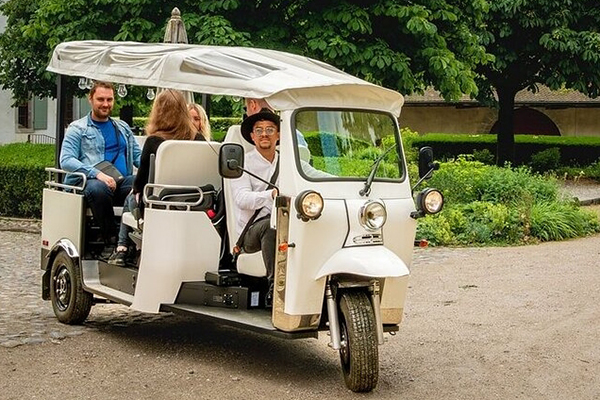
At its core, an e rickshaw is a three-wheeled electric vehicle designed for transporting passengers or light cargo over short distances. It’s an evolution of the traditional cycle rickshaw and auto rickshaw, swapping human power or a noisy combustion engine for a quiet, battery-powered electric motor. This simple change has profound impacts on cost, environment, and user experience. They are a common sight on the streets of many cities, offering a nimble and affordable mode of transportation.
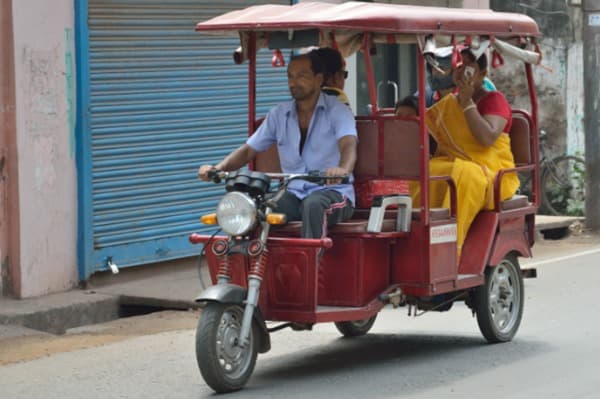
The term "toto" is a popular colloquial name for the e rickshaw, especially in regions like India, particularly in West Bengal. It’s a friendly, catchy name that has become synonymous with this type of vehicle. So, whether you call it an e-rickshaw, a toto, or a battery rickshaw, you’re talking about the same innovative solution for modern urban mobility. These vehicles are designed for efficiency and accessibility, making them an ideal choice for crowded city streets where larger vehicles struggle.
As a manufacturer, we see slight variations in design based on regional needs, but the fundamental concept remains the same: a durable chassis, a reliable battery system, an efficient motor, and a body designed for either passengers or goods. The simplicity of the technology is one of its greatest strengths, making maintenance straightforward and keeping operational costs low.
Why is an Eco-Friendly Electric Rickshaw the Future of Urban Transport?
The shift towards electric mobility is undeniable, and the e-rickshaw is at the forefront of this revolution for urban transport. The primary driver is its eco-friendly nature. Unlike traditional gas-powered auto rickshaws, an electric rickshaw produces zero tailpipe emissions. This is a game-changer for cities struggling with air pollution.
"Every electric rickshaw we put on the road is a step toward cleaner air and quieter cities. It’s a practical solution to a global problem." – Allen, Factory Director
Here are a few reasons why this eco-friendly vehicle is the future:
- Low Operational Cost: Electricity is significantly cheaper than gasoline. For a business owner, this means higher profit margins. The cost per kilometer for an e rickshaw is a fraction of that for a fossil fuel vehicle.
- Reduced Noise Pollution: The silent operation of an electric motor makes for a more pleasant ride for passengers and a less chaotic environment for everyone.
- Government Incentives: Many governments around the world, including in Indian states, offer subsidies and incentives for adopting electric vehicles, further lowering the initial investment cost.
- Sustainable Image: For businesses like delivery services or tourism operators, using an eco-friendly fleet enhances brand reputation and appeals to environmentally conscious customers.
The move towards a sustainable future is not just a trend; it’s a necessity. The toto rickshaw is a powerful tool in this transition, providing an accessible and efficient alternative to traditional transportation methods. It’s a practical solution that benefits the environment, the operator, and the community.
What Key Factors Determine the Price of an Electric Rickshaw?
When business owners look to purchase a fleet, the first question is always about the price. The price of an e rickshaw can vary significantly, and understanding the factors that influence it is crucial for making a wise investment. It’s not just about finding the lowest rickshaw at ₹ figure; it’s about understanding the value you’re getting.
Here’s a breakdown of what determines the final cost:
| Feature Component | Impact on Price | Why it Matters |
|---|---|---|
| Battery Type & Capacity | High | Lithium-ion batteries are more expensive but offer longer life, faster charging, and better performance than lead-acid batteries. A higher capacity (Ah) means a longer range but also a higher initial price. |
| Motor Power | Medium | A more powerful motor (e.g., a 1000w motor) provides better acceleration and hill-climbing ability. This is crucial for performance but adds to the cost. The standard is often a 48v system. |
| Build Quality & Materials | High | The quality of the steel frame, the thickness of the body panels, and the durability of components like suspension and brakes are critical for safety and longevity. A cheaper rickshaw might use inferior materials that won’t last. |
| Controller & Electronics | Medium | The controller is the "brain" of the e-rickshaw. High-quality controllers offer smoother power delivery and better efficiency, protecting both the motor and battery. |
| Additional Features | Low to Medium | Features like a digital display, reverse camera, quality seating, and better lighting add to the price but can significantly improve the user experience and safety. |
As a factory, we always advise customers to look beyond the initial price tag. A slightly more expensive electric rickshaw with a superior battery and stronger frame will have a lower total cost of ownership over its lifespan due to fewer repairs and a longer service life. Seeking the best price should be about finding the best value, not just the lowest number.
How Important are the Battery and Motor in a Battery Operated Rickshaw?
The heart and soul of any battery operated rickshaw are its motor and battery. These two components dictate the vehicle’s performance, range, and reliability. For a fleet manager, getting this combination right is non-negotiable. An underpowered motor or a low-quality battery will lead to constant downtime and unhappy customers.
The battery is arguably the most critical element. It determines how far the rickshaw can travel on a single charge. The main choice is between traditional lead-acid batteries and modern lithium-ion batteries. While lead-acid is cheaper upfront, it’s heavier, has a shorter lifespan, and requires more maintenance. Lithium-ion, though a higher initial investment, offers a longer life, is much lighter (improving efficiency), and can handle more charge cycles. For a serious commercial operation, lithium-ion is almost always the superior option.
The motor, typically a brushless DC (BLDC) motor, provides the power. A standard motor for a passenger e rickshaw might be around 1000W-1500W. This provides enough torque for city driving with a full load of passengers. For cargo models like our Electric cargo tricycle HJ20, a more robust motor is needed to handle heavy loads. The motor’s quality affects not only power but also its efficiency in converting electrical energy into motion, directly impacting the vehicle’s range. Investing in a rickshaw with a reputable motor and battery brand is the smartest long-term decision.

Passenger vs. Cargo: Which Electric E Rickshaw is Right for Your Fleet?
The versatility of the electric rickshaw platform allows for specialization. The two primary categories are the passenger rickshaw and the cargo rickshaw. Choosing the right type depends entirely on your business model.
A passenger e rickshaw, or toto, is designed for public transport. The focus is on creating a safe and comfortable space for riders. Key design considerations include:
- Seating Capacity: Typically a 3-seater or 4-seater model, though some can accommodate more.
- Comfort: Good suspension, padded seats, and adequate legroom are essential for a pleasant ride.
- Safety: Features like sturdy handrails, a strong roof for protection from the elements, and good visibility for the driver are paramount.
- Accessibility: Low entry height makes it easy for passengers of all ages to get in and out.
Our EV5 Electric passenger tricycle is a perfect example, engineered specifically for the comfort and safety of riders.
On the other hand, an electric cargo rickshaw is a workhorse built for logistics. It’s an ideal solution for last-mile delivery, small business transport, and municipal services. The design priorities are different:
- Load Capacity: The cargo bed is reinforced to carry significant weight, from a few hundred kilograms to over a ton.
- Durability: The frame and suspension are built to withstand heavy, continuous use.
- Versatility: The cargo area can be an open flatbed, an enclosed box for security and weather protection, or even a refrigerated unit.
Choosing between a passenger and a cargo model is the first step in building your fleet. Some businesses might even require a mix of both to offer diverse services.
How Can You Find a Reliable E-Rickshaw Factory and Verify Company Details?
For an international buyer, finding a reliable factory is often the biggest challenge. You need a partner, not just a seller. Attending industry exhibitions is a great way to meet manufacturers face-to-face and inspect their products. However, diligent research is still necessary.
When evaluating a potential manufacturing partner, here’s a checklist to help you verify their credibility:
- Check Company Details: A legitimate factory will have transparent company details, including a physical address, business registration, and export licenses. Don’t be afraid to ask for this documentation.
- Request Certifications: Ask for quality certifications like ISO 9001 and any specific safety certifications relevant to your country (e.g., CE for Europe, DOT for the USA). This shows a commitment to a quality product.
- Inquire About Production Capacity: Understand their manufacturing capabilities. Can they handle your order volume? Do they have dedicated production lines for different models?
- Ask for Client References: A confident and experienced factory will be happy to provide references from other international buyers. Contacting them can provide invaluable insights.
- Evaluate Communication: A professional partner will communicate clearly and promptly. If getting answers is difficult during the sales process, imagine what after-sales service will be like.
As a factory that exports globally, we understand these concerns. We welcome potential partners to visit our facilities, see our processes, and meet our team. Transparency is the foundation of a strong business relationship. Don’t just look for a good price; look for a great partner.
Are Custom Electric Rickshaw Options Available for a Mini Electric Fleet?
One of the great advantages of working directly with a factory is the potential for customization. While standard models meet most needs, many businesses have unique requirements. Whether it’s for branding, specific functionalities, or adapting to local regulations, custom modifications can provide a significant competitive edge.
For a mini electric fleet, customization can be particularly valuable. This could include:
- Branding: Custom paint colors and logos to match your company’s brand identity. This turns every rickshaw into a mobile advertisement.
- Cargo Box Modifications: For a logistics electric vehicle, the cargo area can be tailored. This might mean adding shelves, specific locking mechanisms, or insulation. Our Van-type logistics electric tricycle HPX10 is a great platform for such customizations.
- Battery and Motor Upgrades: If your routes involve steep hills or require extra long range, we can often upgrade the motor or install a higher capacity battery pack.
- Accessory Integration: Adding features like GPS tracking units, payment system mounts, or specific lighting can be done during the manufacturing process for a clean, integrated finish.
It’s important to discuss your needs early in the process. While not every feature can be changed, you’d be surprised at the level of customization a good factory can offer. This ensures the final product is perfectly suited to your operational needs, providing a better return on your investment.
What Makes an E-Rickshaw Comfortable and Reliable for Daily Use?
For a vehicle used in daily commercial operations, reliability is everything. A rickshaw that is constantly breaking down is a liability, not an asset. Similarly, an uncomfortable vehicle leads to driver fatigue and unhappy passengers. Both reliability and comfort stem from quality engineering and materials.
A reliable e rickshaw starts with a strong foundation. The chassis should be made from high-grade steel with robust welding to handle rough roads and heavy loads. The suspension system is equally critical. A good rickshaw will use both hydraulic shock absorbers and leaf springs to provide a smooth ride and absorb bumps effectively. This not only makes the journey more comfortable but also reduces stress on the vehicle’s frame and components, extending its lifespan.
Comfort is also about the details. The driver’s seat should be ergonomic, and the passenger seating should be well-padded with durable, weather-resistant material. The layout of the driver’s controls should be intuitive, and features like a clear digital display and powerful headlights enhance the driving experience and safety. When we design a toto rickshaw, we think about the people who will be using it all day, every day. It’s this focus on both durability and human factors that creates a truly great electric vehicle.
The Growing Market for the Three Wheeler Electric Vehicle in India and Beyond
The e rickshaw phenomenon started in markets like India, where it provided an eco-friendly and affordable transportation solution. The Indian market for the electric three wheeler is massive and continues to grow, driven by government support and strong consumer demand. It has created countless jobs and transformed urban mobility in cities across the country.
However, the appeal of the e-rickshaw is now global. We are seeing growing demand from Southeast Asia, Africa, and even North America and Europe for specific applications. In the USA and Europe, these vehicles are finding niches in:
- Last-Mile Delivery: Large logistics companies are using electric cargo tricycles for urban deliveries to reduce costs and emissions.
- Tourism: An electric toto is a fun, quiet, and eco-friendly way to offer tours in historic city centers, parks, and resorts.
- Campus Transport: Universities and large corporate campuses are using passenger e-rickshaws as internal shuttles.
- Municipal Services: Cities are using them for tasks like park maintenance, waste collection, and local patrols.
This global expansion shows that the e rickshaw is not just a developing-world phenomenon. It is a versatile, efficient, and sustainable mobility solution with a place in almost any urban environment. The industry is maturing, with better technology and higher quality standards becoming the norm.
What to Expect from After-Sales Service and Spare Parts Support?
Your relationship with a manufacturer shouldn’t end after the sale. Excellent after-sales service and the availability of spare parts are crucial for keeping your fleet operational. This is a major pain point for many buyers and a key differentiator for a quality supplier. Before you place an order, you must clarify the after-sales support policy.
A good supplier should provide:
- Comprehensive Warranty: Understand what is covered and for how long. Key components like the motor, controller, and battery should have a clear warranty period.
- Availability of Spare Parts: The manufacturer should be able to supply all necessary spare parts, from brake pads and tires to controllers and body panels. Ask about their process for ordering and shipping parts.
- Technical Support: While you’ll have local mechanics, having access to technical documentation, troubleshooting guides, or even direct support from the factory’s engineers can be invaluable for resolving complex issues.
We understand that for our customer in another country, support is paramount. We maintain a stock of critical spare parts ready for international shipment and provide detailed technical manuals for every electric rickshaw model we produce. A reliable fleet needs a reliable support system, and that is a core part of our commitment to our clients. A low price means nothing if the vehicle is down waiting for a part.
Key Takeaways
Investing in an electric rickshaw fleet is a strategic move towards a more profitable and sustainable business. As you navigate your options, remember these key points:
- Look Beyond Price: The initial price is only one part of the equation. Prioritize quality components, especially the battery and motor, to ensure a lower total cost of ownership.
- Verify Your Supplier: Do your homework. A reliable factory will be transparent, certified, and willing to build a long-term partnership. Don’t hesitate to ask for company details and references.
- Choose the Right Tool for the Job: Decide whether you need a passenger toto for transport or a robust cargo rickshaw for logistics.
- Prioritize After-Sales Support: Ensure your supplier has a solid plan for providing spare parts and technical service to keep your fleet running smoothly.
- Embrace the Future: The e-rickshaw is more than just a vehicle; it’s an efficient, eco-friendly mobility solution with a rapidly growing global market.
Post time: 08-22-2025