

Every smart distributor knows the secret to a profitable fleet lies under the seat. If you want to stop replacing parts and start making more money, you need to master your power systems. This comprehensive battery guide will teach you the exact science behind these energy units. By the end, you will know exactly which power source gives you the best longevity and the least headaches. Read on to secure the future of your delivery business.
Why is the Tricycle Battery the Most Crucial Part of Your Electric Trike?
A trike battery is truly the heartbeat of your entire operation. Without it, your vehicle is just an expensive piece of metal sitting in a warehouse. Every electric trike needs a reliable source of power to move heavy loads. We understand that as a distributor, your main goal is keeping your customers happy and moving.
When you look closely inside the battery, a complex chemical reaction pushes electricity to the motor. If this reaction stops or slows down, your driver is stuck on the road. It does not matter if you use a small 12ah battery or a massive industrial pack. The power unit strictly controls the daily speed and the overall pulling strength of the machine.
"Power is money in the logistics business. If your vehicle stops, your profits stop."
A poor choice here means terrible downtime. When we design advanced models like the EV5 Electric passenger tricycle, we heavily prioritize the energy system. We aim for outstanding battery life and highly reliable performance. When you invest in the right power source, you completely eliminate massive future repair costs.
How Do You Choose the Right Battery Type for Your Electric Tricycle Fleet?
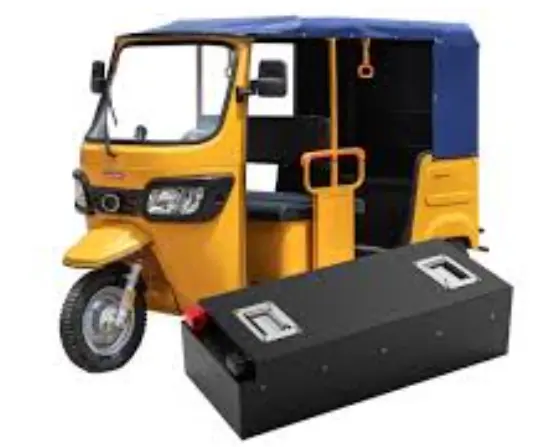
Selecting the perfect battery type is a major decision for any logistics owner. You will see many different choices on the open market today. Most buyers debate between classic acid batteries and modern chemical alternatives. Each option has unique benefits for your electric tricycle fleet.
In the past, many people used flooded types of units. These old units require constant watering and careful handling. Today, smart buyers usually pick a sealed lead unit. An SLA battery is tough, incredibly heavy, and very cheap. This heavy weight actually provides great balance for a bulky three-wheeler.
If you want zero liquid leaks, you might consider gel batteries or an absorbent glass mat design. An AGM battery safely traps the electrolyte inside a fiberglass mat. This stops dangerous spills completely. We constantly help our partners pick the perfect setup based strictly on their specific usage needs and local weather.
What Makes Lithium Batteries Better Than Lead Acid Alternatives?
The industry is rapidly shifting. Why? Because lithium-ion batteries offer a much higher energy density than older technologies. This means the unit is physically smaller and vastly lighter, yet it holds significantly more power. This amazing high energy density removes dead weight from your vehicle frame.
A massive advantage of these lithium units is fast charging. A traditional lead battery takes all night to refill. A modern lithium pack can fill up in just a few short hours. Furthermore, lithium offers a genuinely longer lifespan. Even though the upfront cost is higher, the extended service life of the pack saves you thousands of dollars over three years.
The internal cell quality matters deeply. Top brands utilize a premium 18650 cell manufactured by Panasonic or Samsung. These high-end cells contain a highly stable anode and cathode. They guarantee a perfectly smooth discharge rate. This means your lead-acid batteries simply cannot compete with the modern power delivery of lithium.
Why Do Amp and Voltage Ratings Matter for Motor Compatibility?
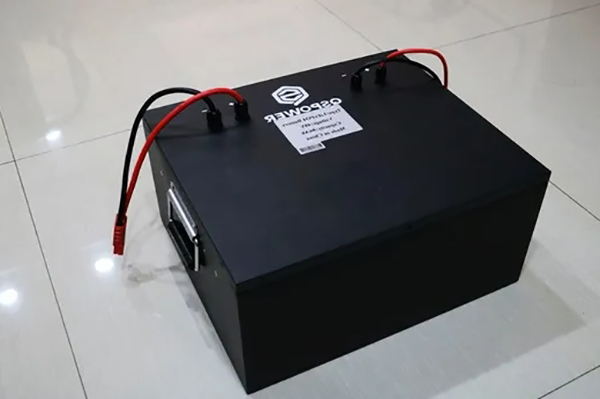
You must learn basic electrical terms to buy the right equipment. The voltage acts exactly like water pressure in a pipe. A basic 12v battery is great for small lights. But a large, heavy-duty motor requires a much higher voltage to pull heavy cargo. Many of our commercial units run on a strong 48v or 60v system. Sometimes, a smaller 24v setup works for light duty.
The amp rating acts like the actual size of the water pipe. An amp hour shows how long the power will flow steadily. If you use a standard 12v unit, you will wire four of them together in a series to reach 48 volts. This wiring ensures strict compatibility.
If you pick the wrong numbers, the motor will quickly burn out or fail to move at all. You must perfectly match the battery capacity to the other electrical components. We guarantee this perfect compatibility in tough models like theElectric cargo tricycle HJ20.
How Do You Protect Battery Packs from Overcharge and Deep Discharge?
Protecting your valuable battery packs is the key to massive long-term profits. If a unit is fully discharged too frequently, it physically breaks inside. A harsh deep discharge ruins the internal chemistry forever. You must never let the power drop to absolute zero during a delivery shift.
To prevent this disaster, advanced lithium systems utilize a smart battery management system. A BMS is a tiny, brilliant computer. It closely watches the heat and the power flow. If a driver plugs in the charger and forgets it, the BMS instantly stops an overcharge. A bad overcharge can cause dangerous swelling and ruin the unit completely.
This tiny computer guarantees perfect battery health daily. Even if you use a very small 15ah pack, a good BMS extends the unit’s lifespan drastically. It balances all the cells so they wear out evenly together. This small part saves your fleet from constant breakdowns.

How Does Battery Efficiency Change in Extreme Temperatures?
Weather dictates everything about battery efficiency. If your team drives in extreme temperatures, you must plan your fleet carefully. Power units hate intense heat and freezing cold. Extreme heat causes the chemical reactions to move too fast, which slowly boils the electrolyte away.
Conversely, in low temperatures, the chemical reaction slows down to a crawl. Your energy efficiency drops rapidly in the freezing snow. You will quickly notice a sluggish discharge when the weather turns terrible.
Because of this, tough lifepo4 batteries are becoming incredibly popular. They handle brutal heat much better than a standard li-ion unit. They are highly durable and incredibly safe. We always ask our B2B clients about their local weather before recommending a specific power source.
What Are the Real Maintenance Requirements for SLA vs. Lithium?
Let us talk about the dirty work. What are the actual maintenance requirements? If you purchase traditional SLA units, your warehouse team must perform regular maintenance. You must keep the metal battery terminals perfectly clean. If you see white, crusty powder on the post, you have dangerous corrosion. Corrosion physically stops power from flowing into the main wiring harness.
- SLA Checklists:
- Scrub the terminal with a stiff wire brush.
- Ensure the battery compartments remain totally dry.
- Check for loose cables caused by rough roads.
By contrast, lithium batteries are completely sealed in metal or hard plastic. The only strict rule for lithium is keeping it charged. You never check water levels. You never scrub dangerous acid off the posts. This saves your mechanics hundreds of expensive hours every single year. A lead acid battery setup is cheap to buy, but expensive to maintain over time.
How Does Energy Density Impact the Miles of Range You Get?
When fleet owners ask how far a trike can drive, we look directly at the energy capacity of the battery. This total volume is calculated in watt-hours. The math is simple: Volts multiplied by Ampere-hours equals Watt-hours (wh). A much higher wh number instantly translates to more miles of range.
If you want your driver to work all day without stopping, you need excellent density. This simply means cramming more usable power into a much smaller box. If you buy cheap units with low density, you must carry a giant, heavy box just to travel a few miles.
A well-balanced system gives you the very best results. For example, our Electric passenger tricycle K02 perfectly balances vehicle weight and travel distance. It uses a highly efficient power system so the driver can finish a long shift without any range anxiety.
When Should You Replace Your Existing Battery with a New Battery?
Nothing lasts forever in the logistics business. Eventually, you will have to swap out your existing battery for a completely new battery. But how do you spot the exact right time? The very first warning sign is a shockingly fast power drop. If your trike is fully charged but dies in two hours, the unit is dead.
Another massive red flag is a noticeably shorter lifespan per shift. If the total amp-hours drop, the internal lead plates or lithium cells have failed. When this happens, you must take the battery out and safely recycle it. You must never mix an old unit with a new unit.
Using a unit that is dying puts massive stress on the motor and the charger. It is much cheaper to buy a proper battery now than to replace a burned motor later. Think of old golf carts. When their batteries fail, they barely crawl up hills. A heavy cart requires full power. Your electric tricycle will do exactly the same thing.
How to Ensure Reliable Performance on Rough Roads?
You need your fleet to survive terrible roads. Ensuring reliable performance while using a battery on a dirt path requires smart engineering. If a small or 100ah unit bounces around, the internal connections will snap. A broken connection means the trike stops instantly.
You must secure the power source tightly inside a padded metal box. You must also ensure the main cables are thick and well-insulated. An ampere-hour rating means nothing if the wire is too thin to carry the power. We use thick, heavy-duty cables on all our CKD exports to prevent electrical fires.
When you import a container from Xuzhou, you are buying a fully engineered system, not just random parts. Our power systems are tested for extreme vibrations. We know that a heavy cargo trike is a serious workhorse. By combining the right voltage, a smart BMS, and a tough outer shell, your fleet will run profitably, ensuring maximum longevity for your investment. Check out our Van-type logistics electric tricycle HPX10 to see this rugged durability in action.
Summary: Crucial Things to Remember
- Match the Voltage: Always match the battery’s voltage to your motor’s requirements to prevent burning out expensive components.
- Invest in a BMS: For lithium units, a Battery Management System protects against dangerous overcharges and extends the unit’s working life.
- Understand Your Climate: Use LiFePO4 cells for intense heat and ensure proper insulation if your fleet operates in freezing conditions.
- Plan Your Range: Calculate your watt-hours accurately so your drivers never get stranded mid-delivery.
- Secure the Units: Rough roads destroy loose connections. Always buy trikes with heavily padded and secured battery boxes.
Post time: 03-12-2026