

The cheapest motorcycle you can buy is not always the motorcycle with the lowest advertised price. A low purchase price can become expensive if the vehicle has poor reliability, limited parts availability, high repair needs, unsuitable carrying capacity, or no local service support.
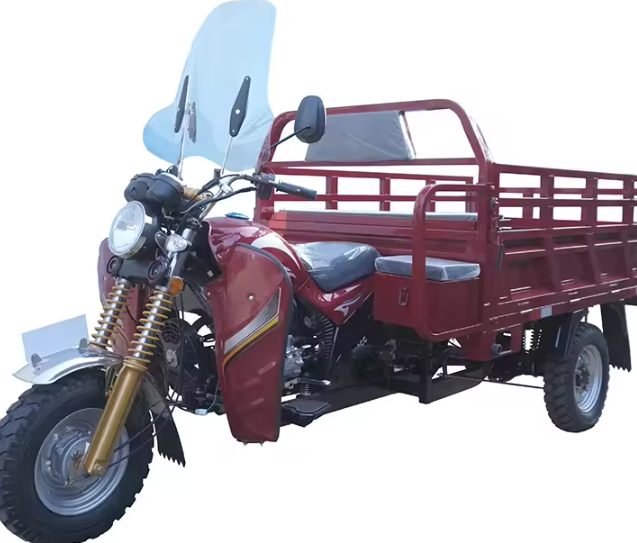
For many buyers, the best low-cost motorcycle is one that matches their daily travel needs, local licensing requirements, budget, and expected maintenance level. A practical three-wheel model may also be worth considering for riders who value stability, passenger space, or cargo capacity.
When comparing the cheapest 3 wheel motorcycle options, look beyond the initial price and evaluate the complete ownership cost.
New Motorcycle vs. Used Motorcycle
Both new and used motorcycles can be affordable, but they serve different buyer needs.
Buying a New Motorcycle
A new motorcycle may cost more initially, but it can offer clearer product condition, warranty support, updated components, and fewer immediate repair concerns.
New buyers should confirm:
- Vehicle specification
- Warranty scope
- Parts availability
- Dealer or service support
- Battery and electrical-system coverage
- Included accessories
- Delivery and assembly charges
- Registration-related costs in the local market
A new entry-level motorcycle can be a sensible choice when predictable ownership and support are more important than the absolute lowest purchase price.
Buying a Used Motorcycle
A used motorcycle may have a lower upfront cost, but its actual value depends on condition and repair history.
Before buying a used vehicle, inspect:
- Engine starting behavior
- Frame condition
- Tire wear
- Brake performance
- Suspension condition
- Chain, belt, or drive-shaft condition
- Battery and charging system
- Lights and electrical controls
- Signs of leaks, corrosion, or crash damage
- Maintenance records
- Legal ownership documents
A very low-priced used motorcycle can become costly if it needs major engine, brake, electrical, or frame repairs.
What Type of Motorcycle Is Usually the Most Affordable?
Entry-level motorcycles, small-displacement models, basic commuter bikes, and practical utility vehicles are often more affordable than large touring motorcycles, performance bikes, or premium-brand models.
However, “affordable” depends on the intended use.
| Vehicle Type | Often Suitable For | Key Buyer Consideration |
|---|---|---|
| Basic commuter motorcycle | Short daily trips | Fuel use, reliability, local service |
| Small-displacement motorcycle | New riders and city travel | Comfort and road-speed suitability |
| Utility motorcycle | Work and light cargo tasks | Payload and durability |
| Three-wheel motorcycle | Added stability and carrying needs | Width, turning space, classification |
| Used motorcycle | Lowest initial budget | Mechanical condition and repair cost |
The correct choice should match your route, passenger needs, carrying requirements, and confidence level.
Is a Three-Wheel Motorcycle a Good Budget Choice?
A three-wheel motorcycle can be a practical option for some riders. It may provide more stability at low speed, additional cargo space, and a more secure platform for passengers or business use.
A cheapest 3 wheel motorcycle may appeal to buyers who need a vehicle for:
- Local commuting
- Short-distance delivery
- Small business transport
- Family errands
- Carrying light tools or supplies
- Riders who prefer additional stability
- Community and rural transportation
Three-wheel designs vary widely. Some are built mainly for passenger use, while others are designed for cargo, utility work, or mixed transport needs.
Before purchasing, confirm the vehicle’s stated payload, passenger capacity, braking system, road suitability, turning requirements, and applicable local registration or licensing classification.
Consider Total Cost of Ownership
A low sticker price does not show the full cost of owning a motorcycle.
Key costs may include:
- Purchase price
- Delivery charges
- Registration and local taxes
- Insurance
- Fuel or charging cost
- Routine servicing
- Tires
- Brake components
- Battery replacement
- Replacement parts
- Repairs
- Accessories
- Storage and security
A slightly higher-priced motorcycle with accessible service parts and dependable support may cost less over several years than a very cheap vehicle with frequent breakdowns.
Choose a Motorcycle Based on Your Daily Use
The best affordable choice depends on how you will use it.
City Commuting
For short city trips, prioritize easy handling, reasonable fuel use, dependable brakes, lighting, and comfort in stop-and-go traffic.
A lightweight two-wheel motorcycle may be practical for narrow streets and limited parking areas. A compact three-wheel model may suit riders who need more stability or storage.
Rural and Uneven Roads
For rural routes, consider wheel size, tire durability, suspension travel, ground clearance, and parts availability. A low-cost motorcycle that is not suited to rough roads may require more frequent repairs.
Passenger Transport
If you plan to carry a passenger, check the vehicle’s approved passenger seating, footrests, total weight limit, and braking capability. Do not assume a cargo rack or rear platform is safe for passenger use unless the vehicle is designed and rated for it.
Cargo and Business Use
For deliveries or work-related transport, focus on payload rating, cargo-platform design, frame strength, tire capacity, braking performance, and stability when loaded.
The best utility vehicle is one that remains controllable when carrying the loads you actually expect to transport.
Important Safety Features to Check
Price should never be the only decision factor. Even an entry-level motorcycle should be reviewed for basic safety and usability.
Look for:
- Reliable front and rear braking
- Bright headlight and rear light
- Turn signals where required
- Clear instrument display
- Strong tires in good condition
- Stable steering
- Secure seating
- Functional mirrors
- Appropriate cargo restraint points
- A parking brake or secure parking system where applicable
Always wear suitable protective equipment and follow the traffic, licensing, registration, and insurance requirements that apply in your area.
What Should You Avoid When Buying the Cheapest Motorcycle?
Avoid making a decision based only on attractive photos or a low quoted price.
Be cautious when a seller cannot provide clear information about:
- Vehicle identification and legal documents
- Model specification
- Service history
- Spare-parts availability
- Warranty terms
- Battery condition
- Accident or repair history
- Payload rating
- Delivery cost
- After-sales support
You should also avoid making modifications that exceed the vehicle’s intended load, passenger capacity, or road-use requirements.
Questions to Ask Before Buying
Before choosing a motorcycle, ask:
- What is the complete delivered price?
- Is the vehicle new, used, or refurbished?
- What warranty is included?
- Are replacement parts available locally?
- What is the recommended maintenance schedule?
- What is the approved payload and passenger capacity?
- Is the vehicle suitable for my normal route?
- What licensing and registration rules apply locally?
- What accessories are included?
- Who provides repair and technical support?
These questions help buyers compare real value rather than only headline pricing.
Conclusion
The cheapest motorcycle you can buy is the one that meets your transportation needs without creating unnecessary repair, safety, or operating costs. A low purchase price is important, but reliability, parts support, braking, comfort, payload, and local compliance also matter.
For buyers who need more stability or practical carrying capacity, a cheapest 3 wheel motorcycle option may be worth considering. The right model should fit your route, passenger or cargo needs, operating budget, and long-term maintenance expectations.
For three-wheel motorcycle product information, application guidance, and purchase support, please contact our team.
FAQ
Is it cheaper to buy a new or used motorcycle?
A used motorcycle often has a lower purchase price, but a new motorcycle may offer more predictable condition, warranty support, and fewer immediate repair needs. The best value depends on the used vehicle’s condition and the new vehicle’s total cost.
Are three-wheel motorcycles easier to ride?
Three-wheel motorcycles can offer greater stability at low speed and when parked. However, handling characteristics differ from two-wheel motorcycles, so riders should understand the vehicle’s controls and operating requirements before use.
What is the cheapest 3 wheel motorcycle for cargo use?
The most suitable low-cost three-wheel motorcycle depends on the required cargo weight, route conditions, passenger needs, local regulations, and service support. Always verify the manufacturer’s stated payload rating.
What should I inspect on a used motorcycle?
Check the engine, brakes, tires, frame, suspension, electrical system, battery, lights, maintenance records, ownership documents, and signs of crash damage or corrosion.
Do motorcycle prices include registration and delivery?
Not always. Delivery, assembly, registration, tax, insurance, and accessories may be charged separately, depending on the market and seller.
Post time: 10-17-2026